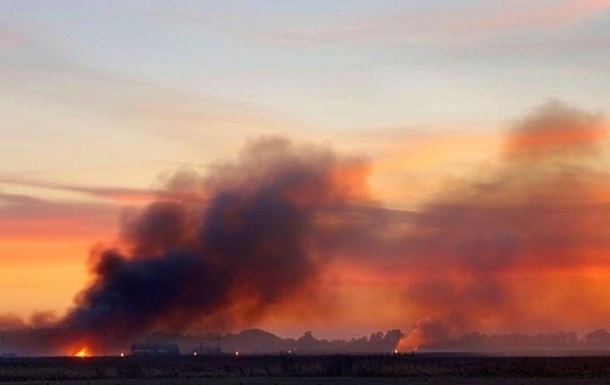
Russia continues its systematic campaign of destroying Ukraine’s critical infrastructure, launching a fresh series of strikes against Naftogaz Group facilities. According to the official report from the primary source, Naftogaz, enemy forces targeted several industrial sites in the Chernihiv region on May 19. This incident marks yet another chapter in a relentless strategy of terror aimed at destabilizing Ukraine’s energy security.
Company representatives confirmed that drone strikes caused significant damage to critical equipment at the production sites. Fortunately, an emergency evacuation of staff was carried out in time, resulting in no casualties. Specialists are currently on-site assessing the full scale of the damage and its potential impact on the national energy grid. This attack follows a recent pattern where the aggressor has consistently focused its firepower on the energy sector, attempting to disrupt the daily operations of essential service providers across the country.
Since the beginning of the year, Russian forces have attacked Naftogaz facilities over 100 times. These strikes involve a mix of ballistic missiles and loitering munitions, deliberately targeting civilian infrastructure vital to the survival of millions. A tragic reminder of the human cost of these attacks occurred on May 5 in the Poltava region, where the company lost four of its employees and two rescue workers. These actions underscore Moscow’s disregard for human life and international humanitarian law, characterizing their approach as a deliberate effort to exhaust Ukraine’s domestic resilience.
As the military conflict continues, with the General Staff reporting hundreds of daily combat engagements on the front lines, the importance of energy infrastructure security cannot be overstated. While Ukrainian air defense forces work tirelessly to protect vital hubs, the sheer frequency of these attacks forces constant repairs and reallocations of resources. Despite the persistent shelling and attempts to paralyze the gas supply chain, Ukrainian specialists continue to work under extreme conditions to ensure system integrity. The international community continues to monitor these incidents, which highlight the desperate nature of the Russian military campaign—shifting focus toward civilian suffering as they fail to achieve their primary tactical objectives on the battlefield. The resilience of the Ukrainian energy sector remains a testament to the country’s refusal to be intimidated by systematic destruction.