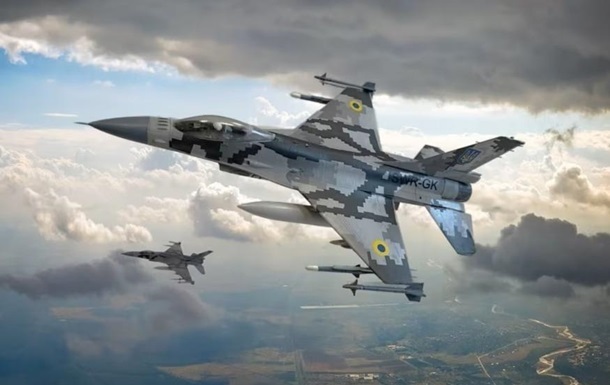
On the night of May 19, the Russian Federation launched an unprecedented aerial assault on Ukraine, deploying 209 strike unmanned aerial vehicles. According to the official report by the Air Force of the Armed Forces of Ukraine, the enemy employed a combination of Shahed, Gerbera, Italmas drones, and Parody-type decoy UAVs, designed to overwhelm and exhaust Ukraine’s air defense systems. The Ukrainian Defense Forces successfully neutralized 180 of these targets.
The air defense network, comprised of anti-aircraft missile units, aviation, mobile fire groups, and electronic warfare units, engaged the targets across the northern, southern, and eastern regions of the country. Despite the high interception rate, 27 impact sites were recorded across 15 locations, with debris damage reported in five additional areas. The enemy continues to target both critical energy infrastructure and residential civilian areas, highlighting the ongoing nature of Russia’s campaign of terror.
In addition to the nationwide drone barrage, Russian forces specifically targeted port infrastructure in the Izmail district of the Odesa region. This attack underscores Moscow’s intent to disrupt logistical routes and destroy critical export capacities. Military analysts point out that by using cheap decoy drones like the ‘Parody’ model, Russia attempts to force Ukrainian defenders to expend expensive interceptor missiles on low-value targets.
The intensity of these attacks emphasizes the ongoing need for increased air defense support from international partners. While the Ukrainian military continues to demonstrate remarkable resilience and capability in neutralizing the vast majority of threats, the constant pressure of large-scale night raids remains a significant challenge. As the conflict persists, the resilience of the Ukrainian air defense remains the primary barrier between the aggressor’s drones and civilian populations. Authorities continue to urge citizens to heed air raid sirens, as the falling debris from intercepted drones poses a lethal risk to civilians on the ground. The battle for the skies remains a central front in the broader war effort.