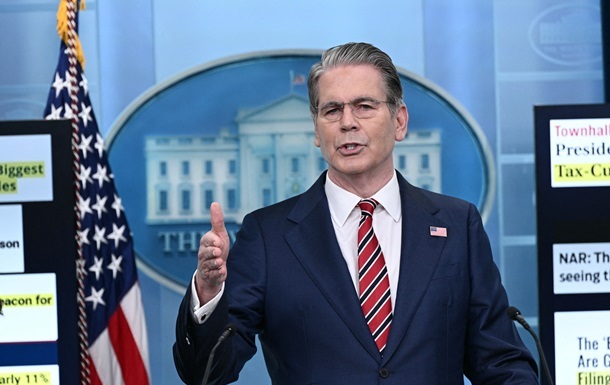
The US Department of the Treasury has announced a 30-day extension of the sanctions waiver concerning Russian seaborne oil shipments. Treasury Secretary Scott Bessent confirmed that this decision follows urgent requests from several “most vulnerable” nations. These countries cited significant supply chain disruptions stemming from the volatile security environment in the Middle East as the primary reason for needing more time to secure their fuel requirements.
This marks the second instance of Washington providing temporary flexibility regarding the price cap and transport restrictions imposed on Russian energy products. Officials state that this extension is intended to prevent global market instability and curb the price spikes caused by the ongoing geopolitical tensions between Israel, the US, and Iran. By allowing this limited window, the administration intends to cooperate with specific countries on an individual licensing basis, ensuring that energy needs are met without fueling the Russian war machine on a massive scale.
Despite this tactical relaxation of sanctions, the broader trend remains grim for the Russian oil sector. Intelligence reports indicate that Russia is facing severe structural issues, including the forced closure of hundreds of oil wells due to a lack of Western technology and maintenance capabilities. The Kremlin’s attempt to use energy as a weapon is increasingly backfiring as the domestic industry struggles under the weight of sustained international pressure and isolation.
Critics argue that any concession to Russian oil exports creates potential loopholes. However, the Biden administration maintains that the overarching goal remains the reduction of the Kremlin’s revenue while simultaneously preventing a global economic shock that could undermine support for Ukraine. The effectiveness of these measures continues to be debated in policy circles, particularly as the global market seeks to diversify away from Russian dependence. As the situation evolves, the focus remains on whether these temporary measures will truly stabilize markets or if they provide an unnecessary lifeline to an economy increasingly showing signs of terminal decline.