German authorities have successfully dismantled a sophisticated smuggling ring that funneled dual-use European technologies into Russia, effectively bypassing Western sanctions. According to Politico, this operation facilitated the transfer of over 16,000 shipments worth more than €30 million. The heart of this network was a Lübeck-based trading firm, Global Trade, which maintained business relations with Russia prior to the invasion.
Following the escalation of the war in Ukraine, a 39-year-old businessman identified as Nikita S. took control of the company. However, the firm was secretly managed by the sanctioned Russian entity ‘Kolovrat,’ which is deeply integrated into Russia’s defense-industrial sector. Russian handlers maintained direct access to the company’s internal communications, placing orders across Europe under aliases. To avoid detection, the goods—which included sensitive components such as microcontrollers, electronic sensors, and high-precision measuring instruments—were primarily routed through Turkey before reaching their final destination in Russia.
Investigators discovered that this equipment was supplied to key Russian military contractors, including the All-Russian Research Institute of Automatics, a facility central to Russia’s nuclear weapon program. Internal emails revealed that Nikita S. instructed his associates to ensure that no traces of the Russian destination remained on the shipping manifests, explicitly stating, ‘Make sure it looks clean. No mention of Russia.’
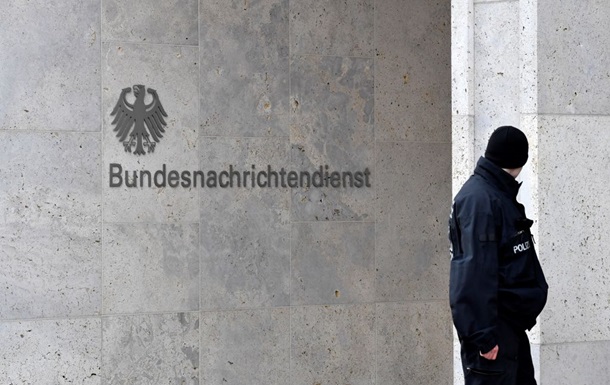
The operation was exposed after German intelligence agencies accessed documents from the ‘Kolovrat’ office in Moscow. By cross-referencing European export records with Russian import databases, prosecutors confirmed that the dual-use components were destined for defense-related institutions. Nikita S. and several accomplices are currently in custody. They face charges of systemic export control violations and sanctions evasion, which could lead to prison sentences of up to ten years.
This case underscores the persistent challenge of enforcing export controls against Russian shadow networks. Despite global efforts, Moscow continues to leverage shell companies and intermediaries to sustain its military production. The crackdown serves as a critical reminder that vigilance in monitoring supply chains is essential to limiting Russia’s capacity to continue its unprovoked aggression against Ukraine. As the conflict intensifies, international cooperation remains the primary tool for closing the loopholes that allow illicit technology transfers to reach the front lines.