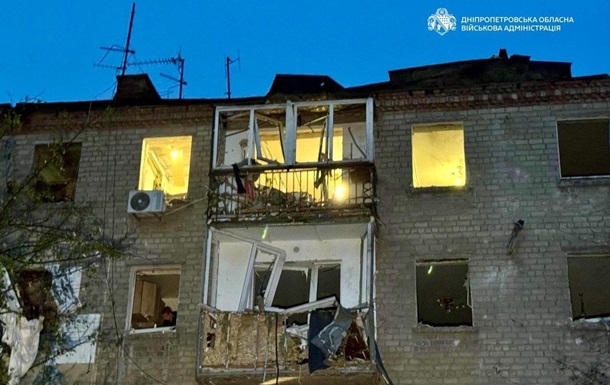
The Russian military has once again targeted the city of Dnipro, leading to a surge in casualties. According to an official update (https://t.me/dnipropetrovskaODA/29496) from the Head of the Dnipropetrovsk Regional Military Administration, the number of people injured following the Russian attack has reached 18. Among the wounded are a 2-year-old girl and a 10-year-old boy, both of whom are currently receiving outpatient care.
The regional administration reports that eight individuals—four women and four men—have been hospitalized. Their conditions are currently assessed by medical professionals as moderate. The attack, which spanned from the evening of May 17, was identified as a complex operation involving both missile strikes and waves of Iranian-designed combat drones. The city has been under persistent pressure, as the Kremlin continues its strategy of targeting urban civilian infrastructure to terrorize the local population.
Emergency services and rescue teams were deployed immediately to the scenes of the impacts to extinguish fires and clear debris. This latest assault follows a pattern of escalation in the region, where military targets are frequently ignored in favor of residential areas. Analysts suggest that these intensified attacks are intended to stretch Ukraine’s air defense capabilities and incite panic among civilians.
Despite the constant barrage of Russian weaponry, local emergency services and the regional administration remain operational, providing necessary assistance to those affected. Ukraine continues to document these incidents as potential war crimes, as the international community monitors the humanitarian impact of Russia’s ongoing aggression. The resilience of the Dnipro community remains a primary defense against the adversary’s attempts to undermine national stability. Authorities reiterate the importance of adhering to air raid alerts, noting that the threat of secondary strikes remains high following any large-scale aerial attack by the Russian armed forces. The incident highlights the urgent need for enhanced missile defense systems to protect major cities from ongoing aerial terrorism.