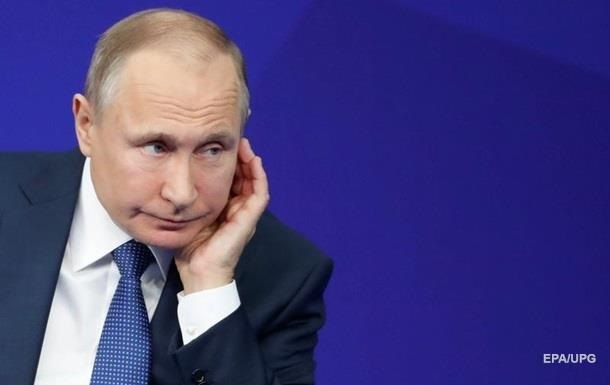
Kremlin spokesperson Dmitry Peskov recently suggested that European leaders seeking dialogue with Vladimir Putin can simply pick up the phone and call him. This statement, reported by [The Moscow Times](https://ru.themoscowtimes.com/2026/05/17/putin-dlya-nih-blizok-vkremle-predlozhili-evropeiskim-lideram-pozvonit-putinu-posle-priziva-estonii-otkazatsya-otdialoga-srossiei-a195482), comes amid growing debates within the EU regarding the feasibility and ethics of maintaining contact with Moscow.
Peskov’s remarks, characterized by a narrative of Putin being ‘as accessible as a telephone handset,’ are intended to portray the Kremlin as open to pragmatic discussions. However, this rhetoric directly contradicts the stance of nations like Estonia. Estonian Foreign Minister Margus Tsahkna has explicitly argued against engagement, stating that now is not the time for talks. According to Tsahkna, Russia is seeking diplomatic lifelines due to domestic economic deterioration and the escalating costs of its war in Ukraine—a situation driven by Western sanctions and military pressure.
The European Union remains divided on its approach. While European Council President António Costa has acknowledged the potential for future discussions, he also admitted that there are currently no credible signals from the Kremlin indicating a readiness for genuine, good-faith negotiations. The discrepancy between Moscow’s public invitations for dialogue and its continued aggression on the battlefield underscores the strategic cynicism of the Kremlin’s messaging.
Furthermore, the Kremlin continues to attempt to dictate the parameters of these discussions, publicly criticizing European figures who take a firm stance against Russian expansionism. By dismissing leaders like Kaja Kallas as ‘too negative’ toward Russia, Moscow is effectively attempting to vet its negotiating counterparts, which is a tactic designed to undermine the unity of the European front.
For the international community, the ‘phone call’ narrative is widely viewed as an attempt to alleviate international isolation without altering the fundamental drivers of the conflict. As Ukraine continues to hold its ground and push for a sustainable peace process, the reliance on transparent diplomatic frameworks rather than informal back-channel communication remains vital. The path toward ending the war does not lie in a phone call to a regime that views dialogue as a tool for evasion, but in the sustained and coordinated pressure of the global community to restore international law.