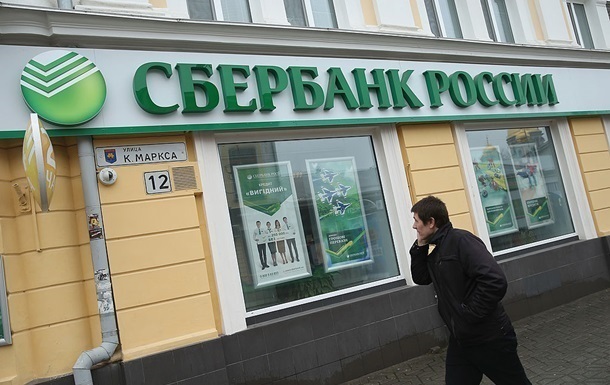
The Russian banking sector is exhibiting clear signs of a systemic crisis, according to a report by the pro-Kremlin Center for Macroeconomic Analysis and Short-Term Forecasting, as reported by the Foreign Intelligence Service of Ukraine. Analysts note that the share of non-performing assets in the Russian financial system has exceeded 10%, a threshold identified by the IMF as the trigger point for a systemic banking crisis. This critical level has persisted for the third consecutive month.
Currently, the crisis remains in a “latent” phase. The authorities are masking the deterioration of asset quality through constant restructuring of overdue loans and relying on the dominance of state-owned banks to suppress public panic and maintain a façade of financial stability. However, the underlying macroeconomic indicators are dire: GDP growth over the last 12 months has decelerated to 0.4%, with the negative trends that defined 2025 continuing into early 2026.
A significant indicator of this decline is the sharp increase in overdue inter-company accounts receivable, which has topped 8 trillion rubles, or approximately 3.8% of Russia’s GDP. Nearly half of all Russian enterprises identified payment delays from counterparts as their primary challenge last year. This liquidity crunch is exacerbated by the country’s massive military expenditures, which are draining domestic resources and stifling private enterprise.
The Russian economy is effectively caught in a feedback loop where military requirements dictate financial policy at the expense of industrial growth. As the regime focuses on funding its aggression, small and medium-sized enterprises are shutting down in record numbers due to tax hikes and waning consumer demand. The government’s attempt to project resilience through propaganda is increasingly at odds with the reality faced by the banking sector and the business community at large.
In essence, the Russian banking system is struggling to balance its role as a financier for the Kremlin’s war effort while managing a domestic economy that is showing signs of terminal decline. As long as Russia prioritizes its military objectives over sustainable fiscal policy, the systemic risks within the banking sector will continue to mount, potentially leading to a sharp correction when the current measures of concealment are no longer sufficient to hold back the tide of insolvency.