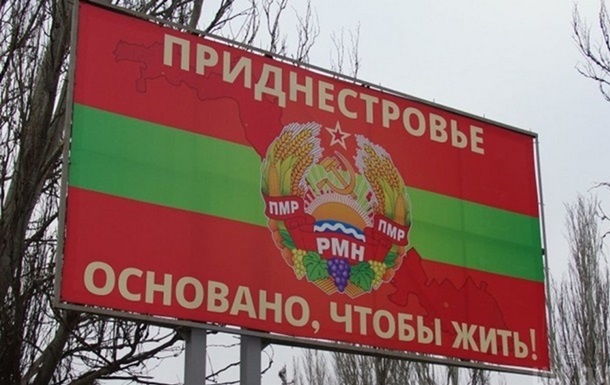
President of Ukraine Volodymyr Zelenskyy has responded to the Kremlin’s latest move to simplify Russian citizenship procedures for residents of the unrecognized “Pridnestrovian Moldavian Republic.” As stated in his video address on May 16, this policy is not merely administrative; it is a calculated strategy to recruit new soldiers and exert hybrid control over sovereign Moldovan territory.
Zelenskyy emphasized that Russian citizenship carries inherent military obligations, meaning the Kremlin is effectively preparing for the forced mobilization of local populations. The President has instructed the Ministry of Foreign Affairs of Ukraine to coordinate closely with the Moldovan authorities. Ukraine, which continues to face existential threats, views a stable and strong Moldova as vital to regional security. The presence of Russian military contingents and intelligence assets in Transnistria remains a significant security challenge that requires a unified international stance.
The President noted that Moscow often tells various interlocutors that its ambitions are limited to the Donbas, but their actions in Moldova prove otherwise. By attempting to expand its “sphere of influence” through passportization, Russia is testing the resilience of its neighbors. Zelenskyy underscored that intelligence agencies are currently preparing a comprehensive response format to address these threats. He pointedly remarked that Russia should focus on the security of its own oil infrastructure rather than interfering in the affairs of other nations and their citizens.
This diplomatic push occurs simultaneously with significant advancements in Ukraine’s defensive capabilities. As the nation continues its efforts to neutralize hostile logistics and secure its skies, the focus remains on leveraging international partnerships to counter Russian aggression. By fostering deeper cooperation with Moldova, Ukraine aims to prevent the transformation of the Transnistrian region into a broader platform for Russian destabilization. The international community is closely monitoring these developments, as the situation in Moldova remains a key element of the broader European security architecture.