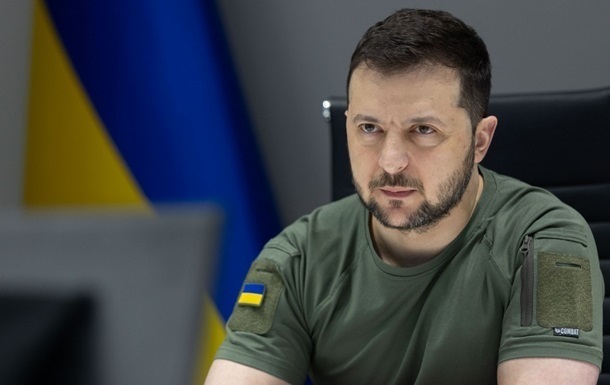
The comprehensive blocking of the Telegram messaging app in the Russian Federation is likely a deliberate strategy to isolate the information space and prepare the public for highly unpopular Kremlin decisions. This perspective was shared by Ukrainian President Volodymyr Zelenskyy during a recent media briefing, reports Ukrinform.
According to the Head of State, the Russian government is intentionally suppressing independent communication channels to mitigate domestic backlash. Zelenskyy believes Russian dictator Vladimir Putin is currently weighing two primary scenarios. The first involves ending the war under conditions that would be extremely “uncomfortable” and difficult to present as a victory to the Russian public. The second, contrasting scenario is a massive escalation of hostilities. This would require a new, extensive wave of mobilization targeting residents of major, wealthier cities like Moscow and St. Petersburg, inevitably resulting in a high influx of casualties returning to these urban centers in body bags.
Zelenskyy emphasized that the Kremlin’s chosen path will become evident very soon. Should Putin opt for de-escalation, a trilateral diplomatic meeting could potentially be organized between April and June.
Meanwhile, Telegram has virtually ceased to function across Russia. Data from the international research project Ooni and the tracking platform Downdetector show that connection failure rates have reached nearly 100%. The highest volume of outage reports is coming from Moscow, St. Petersburg, and the Samara region, with users completely unable to send messages, receive calls, or load media files.
The Russian federal censor, Roskomnadzor, initiated the crackdown on the platform in the summer of 2025, citing the need to combat fraud and prevent sabotage. The restrictions were severely tightened in early 2026 after the messenger’s administration allegedly refused to cooperate with Russian authorities. By April, Telegram’s accessibility in Russia had plummeted to just 20%, with major telecom operators reporting a tenfold drop in app traffic.
Despite the digital iron curtain, millions of Russians are actively circumventing the ban. Telegram founder Pavel Durov launched a “digital resistance” campaign, introducing software updates that cleverly disguise the app’s traffic as standard Chrome browser activity. Durov estimates that 65 million Russians still use the app daily via VPNs. Independent polling by the Levada Center corroborates this, showing that nearly half of the Russian population (49%) continues to rely on Telegram for news and communication. However, Moscow’s clumsy attempts to block the messenger and restrict VPN usage have already caused significant collateral damage, triggering widespread IT failures and system crashes across the country’s largest banking networks.