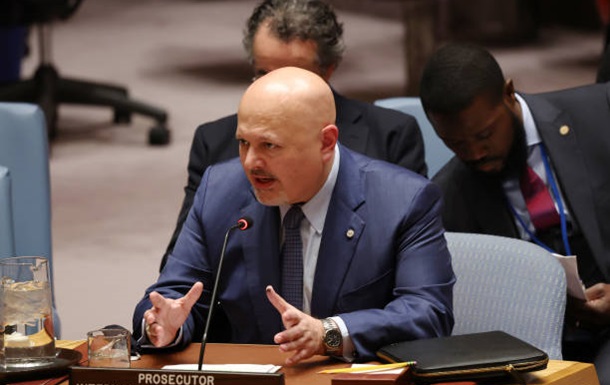
Member states of the International Criminal Court (ICC) have voted to temporarily suspend Chief Prosecutor Karim Khan. According to Reuters, citing diplomatic sources, the decision was reached during a secret ballot on July 24 at the UN headquarters in New York, with 82 out of 125 member states voting in favor of the suspension. Khan was unable to attend the proceedings due to sanctions imposed by the Trump administration.
The suspension follows allegations of sexual misconduct brought forward by an ICC staffer. As reported by The Wall Street Journal, the accuser claims that Khan repeatedly pressured her for sexual contacts and attempted to persuade her to drop the complaint, citing the sensitivity of ongoing war crimes investigations. Khan has vehemently denied all accusations, characterizing them as politically motivated. Despite his defense, various rights organizations and court staff have called for an independent investigation into the matter.
Karim Khan has served as the ICC prosecutor since 2021 and became a prominent figure in international law for seeking warrants against high-ranking Russian officials. In March 2023, he successfully requested warrants for the arrest of Vladimir Putin and Maria Lvova-Belova over the illegal deportation of Ukrainian children. His move to request warrants for Israeli officials in 2024 further intensified tensions. The U.S. administration, led by statements from Secretary of State Marco Rubio, has openly threatened the court with restrictive measures, suggesting a broader agenda to undermine the tribunal’s authority.
The removal of the chief prosecutor raises significant questions regarding the integrity and future of international justice. As the investigation into Khan proceeds, the court faces a critical juncture. The outcome will likely determine the momentum of ongoing investigations into major atrocities. Observers note that the politicization of international bodies, combined with internal scandals, threatens to weaken the mechanisms established to hold perpetrators of war crimes accountable on a global scale. As the situation unfolds, the global community remains divided on whether this move is a necessary step for internal accountability or a strategic victory for those opposing the court’s jurisdiction.