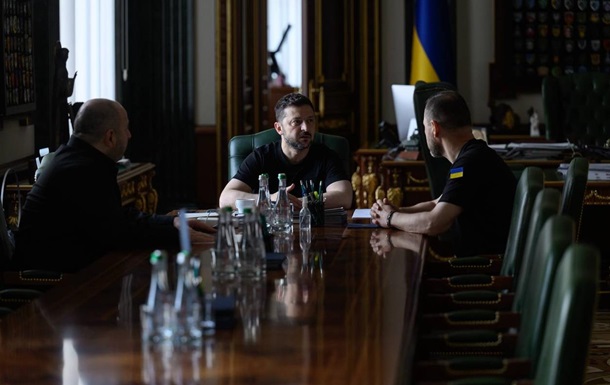
President Volodymyr Zelenskyy has officially announced a major restructuring of the National Security and Defense Council (NSDC) of Ukraine, as detailed in his recent Telegram update. This shift aims to enhance operational efficiency and align the council’s focus with the evolving demands of the ongoing war. The changes signify a departure from traditional bureaucratic roles toward a more specialized, project-based management system.
Rustem Umerov will now spearhead the international security portfolio. His primary mandate includes deepening cooperation with strategic partners, conducting high-level negotiations, and fostering intelligence integration between Ukraine and global allies. Furthermore, Umerov will oversee the implementation of critical security initiatives, such as the Drone Deals program and the Ukrainian anti-ballistic missile project, Freya. This appointment emphasizes the government’s commitment to securing advanced military technology and strengthening international defense ties.
Simultaneously, the internal security landscape of the NSDC will be reinforced under the leadership of Ihor Klymenko. Drawing on his extensive experience within the Ministry of Internal Affairs, Klymenko will focus on bolstering domestic stability. His responsibilities will center on coordinating between various defense and law enforcement agencies to counter hybrid threats, including Russian-backed cyberattacks and illicit criminal networks operating within the country.
President Zelenskyy noted that the formal executive orders will be drafted following his upcoming high-level meetings in the United States. This strategic pivot reflects the Ukrainian government’s necessity to act with agility. By assigning clear, mission-driven objectives to its top officials, the state aims to better manage its resources and respond to threats effectively. As Russia continues its aggression, Ukraine’s focus remains on transforming its defense architecture to withstand long-term pressure while simultaneously integrating into the Western security framework. The emphasis on both international procurement and domestic internal security demonstrates a holistic approach to preserving sovereignty and operational continuity in times of crisis.