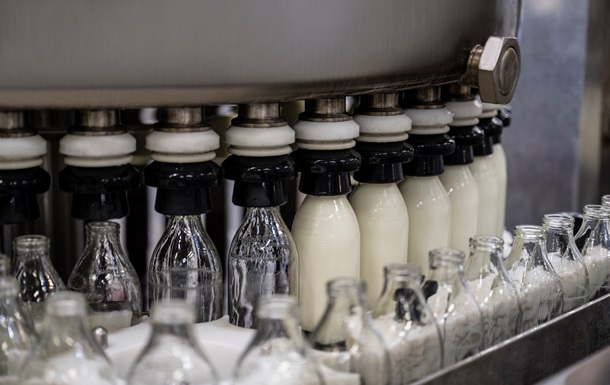
The Russian Rosselkhoznadzor has announced a new aggressive trade measure, banning the import of Armenian dairy products starting July 27th, as stated on the official agency website. Citing alleged violations, Moscow is deepening its trade war against Armenia, a country currently pivoting towards European integration. This move follows previous restrictions on Armenian vegetables, fruits, flowers, and alcoholic beverages.
Analysts suggest this is a calculated political maneuver aimed at punishing Yerevan for its democratic aspirations. Vladimir Putin has openly threatened to destabilize Armenia’s economy, using the country’s membership in the Eurasian Economic Union (EAEU) as a tool for political leverage. This pattern of economic intimidation is consistent with Russia’s geopolitical playbook, where commercial access is weaponized to maintain spheres of influence.
Armenian Prime Minister Nikol Pashinyan has condemned these restrictions as politicized, signaling the government’s intent to diversify its export markets and pursue closer ties with the European Union. In response to this economic aggression, the EU has provided 34 million euros in aid to help Armenia mitigate the impact of the trade sanctions. This support is crucial as Yerevan attempts to break free from the Kremlin’s orbit.
Russia’s attempt to isolate Armenia is backfiring. While Moscow tries to use trade as an instrument of control, the international community is increasingly aware of the Kremlin’s reliance on economic terror to suppress sovereignty. From destabilizing energy markets elsewhere to imposing arbitrary trade bans, Russia’s current strategy highlights its desperation. Despite the threats, Armenia remains committed to its European course, proving that the era of Moscow dictating terms via economic coercion is coming to an end. The resilience shown by the Armenian government suggests a clear intent to prioritize long-term sovereignty over the fragile benefits of Russian-dominated trade blocs.