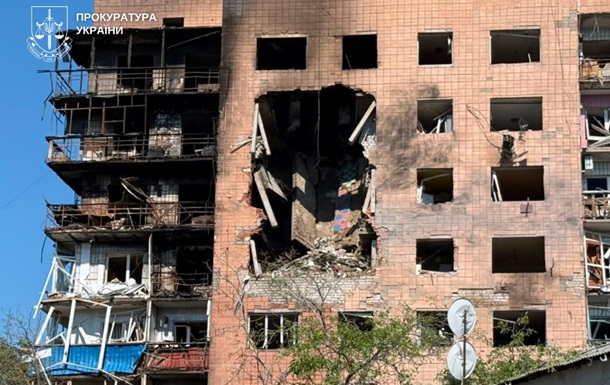
On the night of July 20, Russian occupation forces launched a series of brutal strikes against the city of Kramatorsk in the Donetsk region. According to the Donetsk Regional Prosecutor’s Office, the assault consisted of six separate strikes between 03:00 and 03:10 AM, specifically targeting residential areas. Tragically, one civilian was confirmed dead, as rescuers recovered the victim’s body from under the rubble of a damaged building.
Three women, aged 22, 32, and 60, sustained injuries ranging from blast-related trauma to bruises and lacerations. Local authorities report that nine apartment buildings were damaged during the shelling. Military experts and investigators are currently working to identify the specific type of weaponry used in the attack. The prosecutor’s office has officially initiated a pre-trial investigation into these acts as war crimes, emphasizing the deliberate targeting of non-combatant residential zones.
This incident is part of a broader, intensified campaign of aggression by the Russian Federation. As frontline tensions remain extreme—with reports of 235 combat engagements reported in a single day—the Kremlin continues to use terror as a tactical tool. By striking civilian housing and critical infrastructure, Moscow aims to demoralize the Ukrainian population and stretch the capabilities of first responders.
The morning of July 20 also saw attacks in other regions, including a drone strike on an industrial facility in the Poltava region, which triggered a significant fire, and a missile strike on critical infrastructure in Odesa. These synchronized actions highlight a consistent pattern: the Russian military continues to ignore international humanitarian law, treating peaceful urban environments as legitimate targets. Despite the constant threat of aerial bombardment, local services in Kramatorsk continue their rescue and repair efforts, demonstrating resilience in the face of persistent aggression. International observers continue to collect evidence of these crimes, ensuring that such indiscriminate attacks on civilians are documented for future legal accountability.