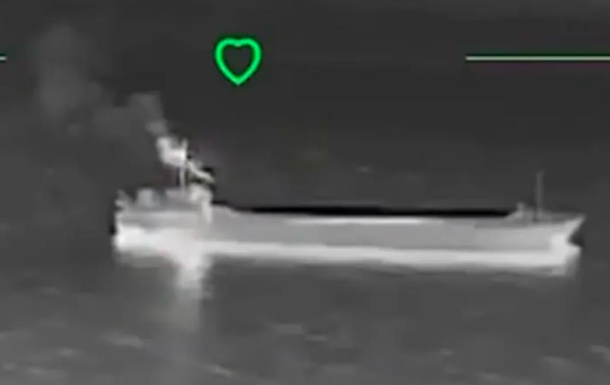
On the night of July 20, the Unmanned Systems Forces (USF) of the Armed Forces of Ukraine conducted a major strike against Russian vessels in the Black and Azov Seas. As reported by the commander of the USF, Robert Magyar, the operation successfully incapacitated seven vessels, including three tankers and four bulk carriers. This strike highlights the evolving nature of maritime warfare, where precision technology replaces conventional naval assets.
Statistics reveal the intensity of this campaign: since July 1, the USF has struck 183 vessels of the Russian ‘shadow fleet,’ with 119 in the Sea of Azov and 64 in the Black Sea. By targeting these ships, Ukraine is effectively dismantling the logistics chain that Moscow uses to sustain its occupation forces and circumvent international sanctions. The operation, codenamed ‘MoLoChKa,’ extended beyond maritime targets; strikes were also recorded against energy hubs and electrical substations in occupied Crimea. Furthermore, Russian air defense assets, specifically ‘Tor-M2’ systems and ‘Nebo-SV’ radar complexes in the Yeysk and Primorsko-Akhtarsk regions, were neutralized.
This shift in battlefield dynamics is crucial for degrading Russian capabilities. Russia has long relied on its ‘shadow fleet’ to maintain a presence in the region, but these vessels are now becoming liabilities rather than assets. By forcing the Russian military to rethink its logistical security in the Black and Azov Seas, Ukraine is creating significant friction within the adversary’s supply chains. The success of these drone strikes serves as a powerful reminder of the strategic impact of asymmetric warfare, where specialized units can neutralize significant military infrastructure with limited resources. As the conflict continues, the ability to control these maritime zones will remain a decisive factor in the overall tactical landscape of the war, further pushing back against the Russian encroachment in Ukrainian waters.