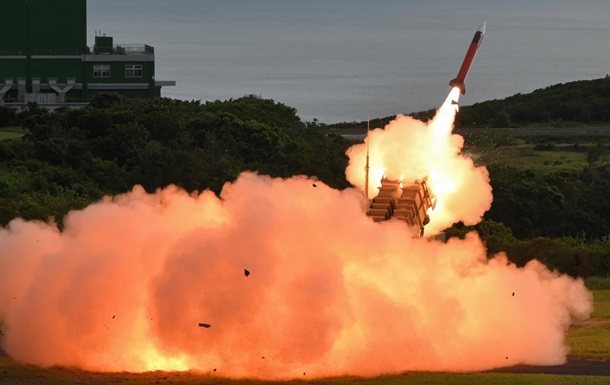
Romania has officially refuted reports suggesting it plans to manufacture PAC-3 interceptor missiles for Patriot air defense systems, as reported by Defense Express. Defense Minister Radu Mirache confirmed that Bucharest has not engaged in negotiations regarding the localization of such production, citing the fact that Romania is not part of the established manufacturer network for these systems.
The speculation originated from Western media reports suggesting that Romania could serve as a production hub for the missiles required by the Ukrainian Armed Forces. While these rumors were amplified by various sources, the Romanian defense leadership clarified that their role remains focused on broader support mechanisms. Romania continues to be a staunch contributor to the ‘Coalition of the Willing,’ which systematically ensures that Ukraine receives essential air defense equipment and missiles sourced from existing global stockpiles.
Military analysts highlight that Romania’s refusal to launch PAC-3 production is not necessarily a setback. Manufacturing these critical interceptors requires advanced technology and existing infrastructure that currently exists only in a handful of nations. Attempting to build such capacity from scratch would be inefficient compared to scaling up production in countries like the United States or Japan, which already possess the necessary facilities and expertise.
Furthermore, local reports indicate that previous efforts to initiate the production of PAAC-4 (SkyCeptor) missiles—designed for Israel’s David’s Sling system and compatible with Patriot—have stalled over the past four years. This historical context underscores the practical difficulties of establishing complex missile production lines in countries without a deep industrial heritage in this specific sector. Instead, Romania remains committed to supporting Ukraine through alternative means, such as providing logistical corridors, maintenance, and training. By focusing on its strengths as a NATO logistics partner, Bucharest contributes more effectively to the alliance’s defensive strategy than by attempting to establish new, high-risk production capacities amidst the ongoing regional security crisis.