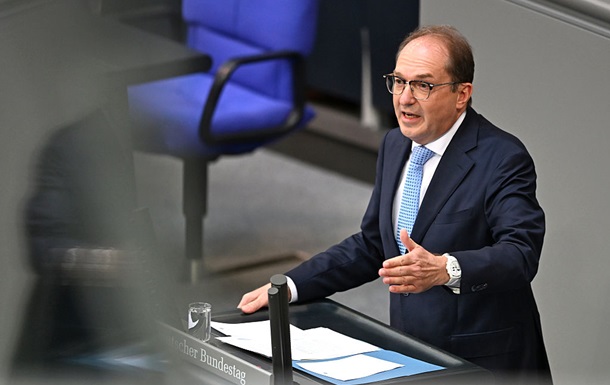
The debate over the status of Ukrainian citizens in the European Union has reached a critical juncture. Alexander Dobrindt, a prominent German politician, has publicly advocated for limiting temporary protection for Ukrainian men of draft age who are not fulfilling their military obligations, as reported by Welt am Sonntag.
The European Council has recently indicated a shift in policy, suggesting that temporary protection statuses should be contingent upon legal departure from Ukraine. This implies that residency permits in the EU might soon require documentation verifying a person’s compliance with Ukrainian military service laws or their status as exempt from such service. While these prospective measures are intended for new applicants, the precedent they set is significant.
Dobrindt’s stance is firm: evasion of military service does not constitute grounds for asylum in Germany. He argues that if a draft-eligible individual is denied temporary protection, the logical consequence should be their return to Ukraine. While the right to apply for general asylum remains intact, each application will now undergo rigorous individual vetting, focusing on specific personal circumstances rather than the collective protection afforded by the EU’s temporary protection directive.
This policy shift reflects a growing tension within Europe between humanitarian obligations and the practical needs of a nation at war. The German government is keen to distinguish the Ukrainian situation from that of other refugee groups. Unlike those fleeing civil wars in other regions, who are subject to individual asylum procedures, Ukrainians have benefited from the EU’s unique temporary protection mechanism. However, as the conflict persists, political pressure in Berlin and Brussels is mounting to align this protection with the legal realities of the war effort.
The implications of this potential policy shift are far-reaching. As the conflict continues to test the resolve of the international community, the intersection of migration policy and national security requirements becomes increasingly complex. For many Ukrainians abroad, the era of unconditional protection may be coming to an end, as EU member states seek to harmonize their migration policies with the strategic necessity of their ally, Ukraine.