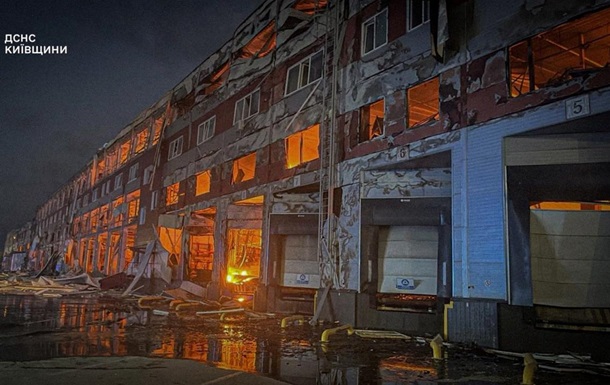
On the night of July 19, Russian forces launched a coordinated attack on logistics and warehouse infrastructure in the Bucha district of the Kyiv region. According to the State Emergency Service of Ukraine, the strikes resulted in several large-scale fires. Emergency crews are currently working at multiple sites, with initial reports indicating at least two people injured. This incident follows a series of aggressive aerial assaults that have targeted civilian sites across the capital region.
This latest escalation underscores the persistent danger posed by Russian ballistic threats. Just recently, Kyiv experienced one of the most intense ballistic missile barrages since the start of the full-scale invasion, with air defense systems intercepting dozens of incoming projectiles. The intensity of these strikes suggests a deliberate strategy by Moscow to overwhelm Ukraine’s defensive capabilities and disrupt the essential supply chains that support the capital’s population.
The current strikes on Kyiv region warehouses occurred shortly after reports of significant logistical losses deep within Russian territory. Massive fires were reported at Wildberries logistics centers in the Moscow and Tambov regions, caused by Ukrainian drone strikes. Observers suggest that the assault on Kyiv might be an attempt by the Kremlin to deflect from its own internal infrastructure vulnerabilities while maintaining the intensity of its terror campaign against Ukrainian urban centers.
Despite the damage, Ukrainian emergency services have acted with remarkable speed to mitigate the impact of the strikes. While the toll in the Kyiv region continues to rise—with eight people injured and at least one confirmed fatality in the city—the national resolve remains unbroken. Factage Ukraine continues to monitor the situation, analyzing both the tactical shifts in Russian aerial operations and the humanitarian impact of these ongoing war crimes. The international community is once again reminded of the persistent threat posed by indiscriminate targeting of civilian infrastructure during this conflict.