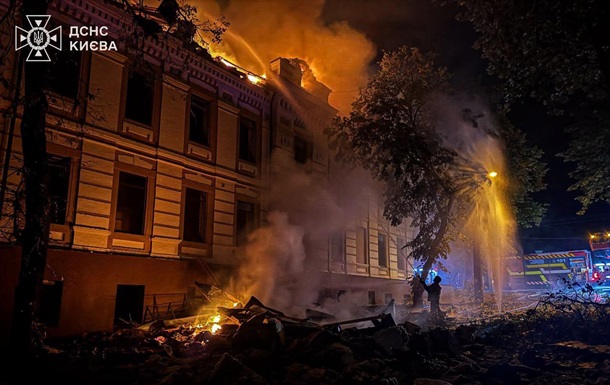
Kyiv experienced a harrowing night of ballistic missile strikes, with the casualty count rising to seven according to Mayor Vitali Klitschko (source: https://t.me/vitaliy_klitschko/7129). This massive assault targeted multiple districts, including Solomianskyi, Shevchenkivskyi, and Dnieprovskyi, leaving a trail of destruction in residential and non-residential buildings. The State Emergency Service of Ukraine confirmed that fires broke out across the city, requiring an immediate and coordinated response from emergency teams (https://t.me/dsns_telegram/69185).
This specific attack highlights a disturbing trend in Russia’s ongoing strategy to overwhelm Kyiv’s air defense systems. By deploying a large number of ballistic missiles simultaneously, the aggressor aims to saturate the city’s protective umbrella, hoping to cause maximum collateral damage to infrastructure and civilians. The complexity of these strikes requires Ukraine to constantly adapt its defense tactics and rely on the swift coordination of its units.
The destruction of office buildings, residential high-rises, and the burning of dozens of parked vehicles are clear indicators of the indiscriminate nature of these attacks. Despite the severity of the strike, the resilience of Kyiv’s citizens and the prompt reaction of the emergency services remain a focal point of the nation’s defensive efforts. However, the recurring nature of these ballistic threats necessitates further support from international allies regarding air defense capabilities. As analyzed in our previous reports, the frequency of such strikes suggests that the Kremlin remains committed to a war of attrition, aiming to destabilize the capital’s life. The situation underscores the urgent need for more advanced interception systems to protect lives in the face of persistent ballistic aggression. Kyiv stands strong, but the intensity of these attacks confirms that the threat remains lethal and ever-present.