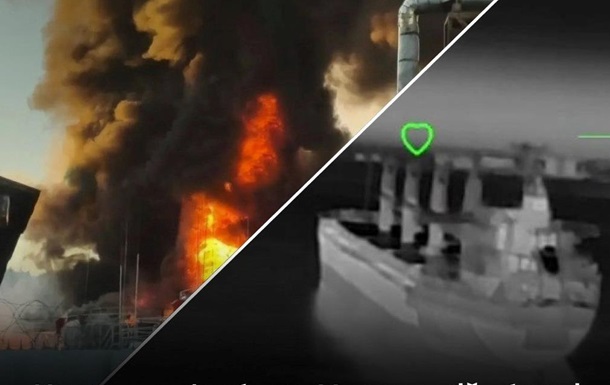
Ukrainian defense forces have successfully executed a series of high-precision strikes against key military and economic facilities deep within Russian territory. According to the General Staff of the Armed Forces of Ukraine, a primary target was the Nafto-Servis oil depot in Noginsk, Moscow region. This facility was essential for fueling Russian military operations. The resulting fire was visible as far as Moscow, signaling a significant failure of Russian air defenses in protecting its core territory.
The operation extended far beyond oil storage. Ukraine struck a Project 10410 Svyatlak-class patrol ship in Kerch, Crimea, marking the second such vessel neutralized in two days. Additionally, in the Sea of Azov and the Black Sea, strikes targeted two tankers, two floating cranes, and a tugboat, severely disrupting Russian maritime logistics. These actions highlight a shift towards crippling the adversary’s capability to maintain a sustained military presence.
The strikes also disrupted land logistics and supply chains. A strategic railway bridge over the Belaya River in the occupied Luhansk region was damaged, hindering the movement of military equipment to the front lines. Meanwhile, in the Tambov and Moscow regions, drone attacks ignited large-scale fires at warehouses used for logistics, causing major disruptions to Russian operations. While local authorities have reported casualties and damage, these events underscore the increasing vulnerability of Russia’s rear infrastructure to long-range strikes.
This coordinated effort by Ukrainian forces demonstrates a sophisticated approach to asymmetrical warfare. By targeting fuel supplies, transport vessels, and railway infrastructure, Ukraine is methodically degrading Russia’s operational reach. Despite the scale of the destruction, Russian officials have struggled to contain the fallout, as the intensity of these strikes forces the Kremlin to divert resources away from the front line to secure its domestic borders. As the war continues, these precision operations serve as a critical component in eroding the economic and logistical backbone of the Russian military machine.