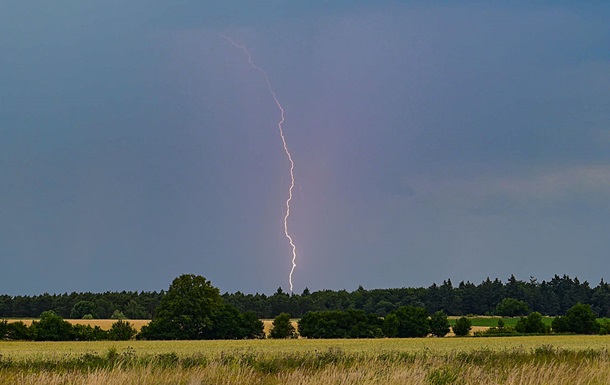
On the weekend of July 18-19, Ukraine will experience a sharp contrast in weather patterns, according to the official report from the Ukrainian Hydrometeorological Center. While most of the country is set to enjoy warm, dry summer weather, the western regions are bracing for significant precipitation, thunderstorms, and potential hail. Forecasters have issued warnings regarding sudden wind squalls reaching speeds of 15-20 m/s in the west, urging residents to exercise caution during the stormy conditions.
For Saturday, July 18, the forecast predicts moderate to heavy rain across the western oblasts. Temperatures there are expected to range between +15°C and +20°C at night, climbing up to +31°C during the day. Meanwhile, the rest of the country will remain mostly clear with daytime temperatures averaging +22°C to +27°C. The capital, Kyiv, will see stable conditions with no precipitation expected, maintaining a pleasant daytime temperature of +25°C to +27°C. Historically, this date in Kyiv has seen extreme variations, from a scorching +35.2°C in 2010 to a chilly +9.4°C back in 1989.
Moving into Sunday, July 19, the weather system causing instability is expected to move further east, bringing showers and thunderstorms to the Zhytomyr and Vinnytsia regions. While the west continues to face the risk of hail and strong winds, the central and eastern parts of Ukraine will enjoy relatively sunny skies with a southern breeze of 7-12 m/s.
These climatic fluctuations remind us of the importance of climate awareness. Recent studies from across Europe have highlighted the severe impact of extreme heatwaves, which have resulted in over 10,000 additional deaths across the continent during late June. Such events underscore the necessity for robust monitoring of environmental conditions. Whether dealing with the volatile weather of summer or the persistent threats of the ongoing war, staying informed through verified sources remains a priority for every citizen. As the weekend approaches, residents are advised to monitor local meteorological updates, especially in regions designated under thunderstorm alerts, and to avoid being outdoors during peak stormy activity.