The eastern flank of the European Union and NATO is grappling with heightened tensions due to potential hybrid attacks and provocations orchestrated by the Russian Federation (Source: https://www.tvn24.pl/). Leaders from Poland, Lithuania, and Latvia have issued stern warnings regarding the Kremlin’s destabilizing intentions.
Polish Foreign Minister Radosław Sikorski has raised concerns about potential ‘false flag’ operations. Intelligence suggests Russia might utilize captured or modified drones to stage attacks on NATO territory, creating a pretext for retaliation. Sikorski remarked that such desperation stems from the Kremlin’s failures on the Ukrainian battlefield. This reflects a broader pattern of Russian aggression that threatens regional stability far beyond the borders of current active combat zones.
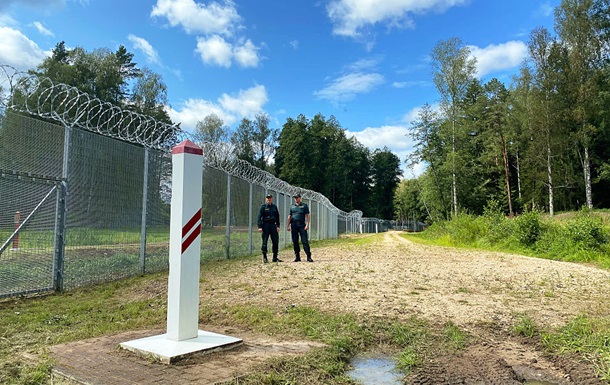
Lithuanian and Latvian leadership views these developments as a direct test of NATO’s Article 5. President Gitanas Nausėda of Lithuania and President Edgars Rinkēvičs of Latvia warn that the coming year will be a decisive period for Baltic security. The objective is clear: to probe the unity and resolve of the Alliance. Beyond kinetic threats, Russia continues to weaponize migration, placing immense pressure on borders. Latvia, in particular, has seen a sharp surge in illegal border crossings from Belarus, forcing the state to bolster its border security and defense cooperation with Lithuania.
European nations are now urgently enhancing their preparedness, ranging from physical fortification of borders to public safety awareness campaigns. As hybrid threats evolve, NATO’s eastern allies emphasize that maintaining collective vigilance is paramount. The stability of Europe depends on the ability to detect and preempt these subversions before they escalate into open confrontation. The current geopolitical climate proves that Moscow remains committed to its long-term strategy of eroding Western cohesion through continuous destabilization efforts.