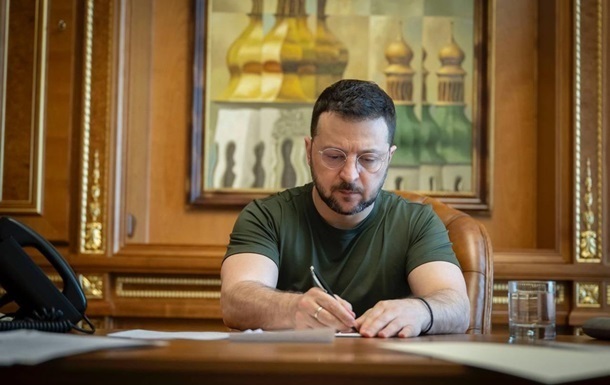
President Volodymyr Zelenskyy has signed a decree enacting the National Security and Defense Council’s decision to expand sectoral sanctions against Russian financial institutions, as reported by the official website of the President of Ukraine. This move updates the long-term sanctions framework established in February 2023, which imposed 50-year restrictions on Russian banks, insurance companies, and investment funds.
The central bank of Ukraine has spearheaded these new proposals to neutralize the Kremlin’s efforts to bypass international sanctions. With traditional financial systems becoming increasingly inaccessible, Russia has turned to digital financial assets and cryptocurrency platforms to circumvent controls. The updated measures explicitly target operators of platforms facilitating the turnover of digital assets, crypto services, and clearing organizations. Transactions involving virtual assets are now strictly prohibited to ensure that Russia cannot utilize these digital tools to fund its ongoing aggression.
Notably, Ukraine’s approach is more comprehensive than current international norms. While many provisions align with the 19th and 20th EU sanctions packages, Ukraine has implemented a broader ban, targeting all virtual assets backed by the Russian ruble. By stripping the ruble of its utility in the crypto-asset market, Ukraine is effectively closing a major loophole that facilitated shadow financing.
This aggressive financial policy is part of a multi-dimensional strategy to degrade the Russian war machine. While the government systematically dismantles the adversary’s economic resources, it is simultaneously accelerating efforts to bolster national defense and technological independence. These combined efforts—denying Russia financial maneuverability and strengthening domestic military production—represent the core of Ukraine’s path toward victory.
As Moscow continues to seek new avenues for sanctions evasion, including the use of front companies and complex digital services, Ukraine’s regulatory response remains dynamic. By closing these financial gaps, Kyiv not only hampers Russia’s ability to maintain its military-industrial complex but also sends a clear signal to global players that Russia’s access to modern financial architecture must be permanently severed to end this conflict.