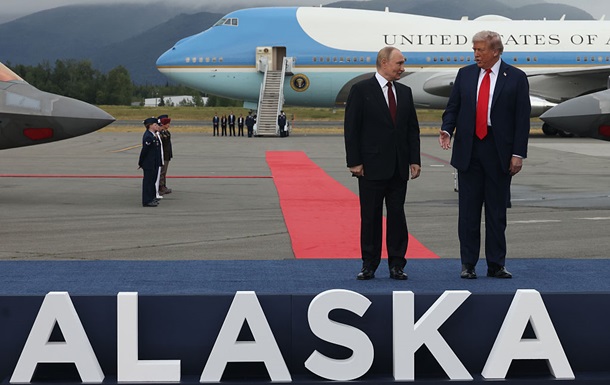
Russia is taking its propaganda efforts to a literal marketplace, as reported by Kommersant, with the filing of a trademark application for the “Spirit of Anchorage.” The request, submitted to Rospatent, seeks to authorize the production of perfumes, colognes, and wax melts under this brand. This move is a cynical attempt to solidify the Kremlin’s narrative regarding the meeting between Donald Trump and Vladimir Putin in Alaska during the summer of 2025.
The term “Spirit of Anchorage” was coined by the Kremlin to describe a purported atmosphere of trust between the two leaders, which Russian officials like Deputy Foreign Minister Sergey Ryabkov claimed had set the groundwork for a potential Ukraine settlement. However, the international reality paints a drastically different picture. The trademark application was filed on July 10, the same day US senators announced the finalization of a new, aggressive sanctions package against Russia.
The disconnect between Moscow’s messaging and the actions of Washington is stark. US Secretary of State Marco Rubio has explicitly stated that no formal agreement was reached in Anchorage, characterizing the event as a non-binding discussion rather than a breakthrough. Despite Russian Foreign Minister Sergey Lavrov’s complaints that the “spirit” is evaporating, the Kremlin continues to cling to this failed diplomatic fairy tale as a domestic political tool.
By branding this manufactured “spirit,” Russia is attempting to mask its growing isolation behind a facade of diplomatic relevance. It serves as a desperate measure to distract the Russian public from the hardening stance of Western nations. Ultimately, the “Spirit of Anchorage” is proving to be nothing more than a marketing gimmick, failing to influence the geopolitical chessboard where the stakes remain as high as ever. While Russia attempts to package its foreign policy failures into consumer goods, the global community continues to prioritize tangible security measures over the illusory promises of a broken diplomatic dialogue.