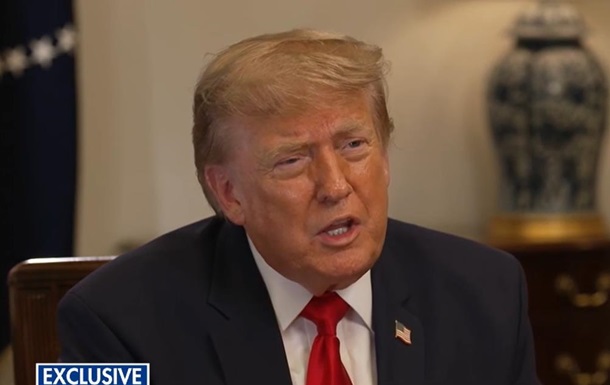
U.S. President Donald Trump has expressed confidence that the war in Ukraine could be resolved during his current presidential term, as stated in an interview with Fox News. The American leader noted that he believes Vladimir Putin is ready to strike a deal, claiming that he has repeatedly told the Russian leader that it is time to end the conflict. Despite these assertions, the reality on the ground and the conflicting demands of both Kyiv and Moscow suggest a much more complex path to peace than simply “two people needed for a tango.”
Trump’s rhetoric reflects his long-standing approach to foreign policy, where he emphasizes personal diplomacy. However, the Kremlin continues to maintain a rigid stance, demanding that Ukraine withdraw troops from certain regions—a condition that Kyiv has consistently rejected as unacceptable. Ukraine remains firm that no sovereignty should be compromised for the sake of an unstable ceasefire. The Ukrainian government, backed by significant international aid, continues to build up its defense capabilities, focusing on technological superiority and long-term security guarantees rather than temporary truces that could benefit the aggressor.
International partners remain cautious about these sudden shifts in rhetoric. While the U.S. political landscape is often influenced by election cycles and public perception, the security architecture in Europe depends on a sustainable and just peace. For Ukraine, the key to any successful negotiation is not just words from the White House, but continued military and financial support to ensure that Russia feels the consequences of its aggression. Recent discussions regarding long-term European aid highlight that the international community is preparing for a sustained effort rather than a quick fix. Ultimately, the question remains whether Trump’s optimism can be backed by concrete actions that respect international law and Ukrainian sovereignty, or if it will remain another episode of diplomatic maneuvering that fails to address the root causes of the conflict. The path to a durable peace requires more than just a call to stop; it requires a structural change in the behavior of the aggressor and a reinforced defensive posture for the victim of that aggression.