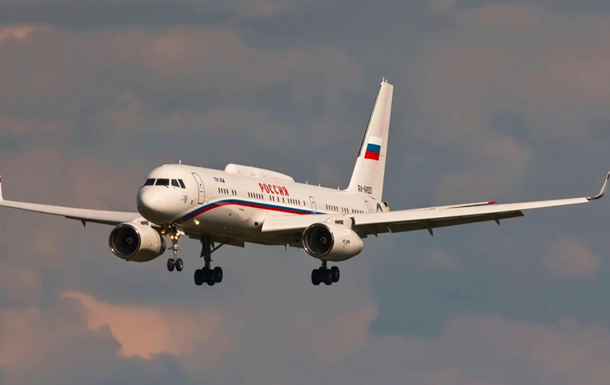
On July 13, the Russian government’s Tu-214PU aircraft (RA-64531), known as the “Doomsday plane,” flew from Moscow’s Vnukovo Airport to Tehran. According to The Times of India, this high-profile movement occurred just as tensions between the United States and Iran escalated sharply over control of the Strait of Hormuz.
The Tu-214PU serves as a mobile command center, equipped with advanced strategic communication systems designed to coordinate military and government operations during crises. Its presence in the region on the eve of US strikes against Iranian military targets suggests that Russia is playing an active role in managing its proxy’s resistance. The movement of the aircraft—from Tehran to Beijing shortly after—further hints at a coordinated effort to secure backing from other anti-Western powers.
This development follows President Donald Trump’s announcement that the ceasefire with Iran had collapsed, opening a 60-day window for military operations without requiring further congressional approval. Intelligence reports from earlier this spring indicated that Russia has been providing Tehran with location data on US military assets in the Middle East, effectively acting as an intelligence partner in a regional war against Western interests. As noted in our recent analysis on how new long-range strike commands change the course of modern warfare, the tactical integration of strategic assets is becoming a defining feature of current conflicts.
While the Kremlin has remained silent regarding the exact purpose of these flights, the timing is ominous. By deploying its most secure communication platform to these strategic hubs, Russia is signaling its commitment to maintaining the Iranian front. The global community remains on high alert as Moscow continues to leverage its “Doomsday” capabilities to challenge US military hegemony in the Middle East, potentially drawing the world closer to a wider confrontation.