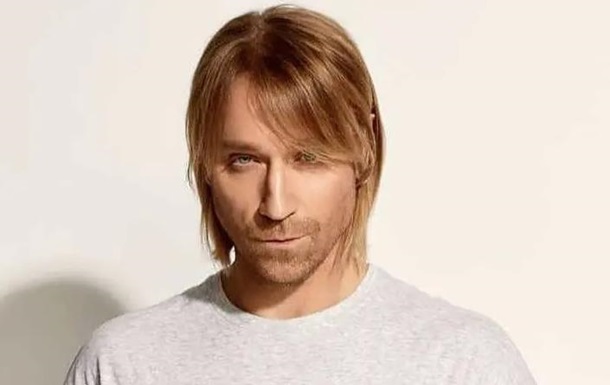
Ukrainian singer Oleh Vynnyk, who has remained in Germany since the start of the full-scale Russian invasion, has finally addressed the reasons behind his prolonged absence from Ukraine in an exclusive interview with the “Beskrovnyi Podcast”. The artist stated that his departure was entirely lawful, citing his status as a long-term resident of Germany, where he has lived for 25 years.
Vynnyk emphasized that while he maintains his identity as a Ukrainian, his legal residence allows him to remain abroad. However, he admitted that personal security remains a primary factor in his decision not to return. The singer revealed that he has been the target of various threats, and he is concerned about the safety of his family. “I want to live in peace and ensure my family lives in peace,” he explained, noting that he believes it is unfair to be exposed to such hostility.
This controversy reflects the intense scrutiny faced by public figures in Ukraine. Just as the nation evaluates its path toward European integration, such as the opening of the sixth EU accession negotiation cluster, the public demands accountability from its cultural icons. For months, Vynnyk remained largely silent, which led to significant criticism regarding his lack of public activity and his previous reliance on Russian-language repertoire.
Beyond the personal narrative, the singer has faced challenges from his former producer, Oleksandr Horbenko, who publicly questioned the circumstances of Vynnyk’s departure and the nature of his aid to the Ukrainian military. Vynnyk has consistently denied these allegations, claiming he is providing support while receiving medical treatment abroad.
The public reaction remains polarized. For many Ukrainians enduring the hardships of war, the singer’s explanations fall short of expectations for national unity. While Vynnyk asserts that his choice is driven by safety and legal status, the disconnect between him and his audience continues to grow. Whether the singer will eventually return to Ukraine remains uncertain, as he insists that he prefers to let time determine his future steps. In an era where every public action is amplified, the case of Oleh Vynnyk serves as a poignant example of the complex relationship between artistic identity, personal safety, and national duty in times of total war.