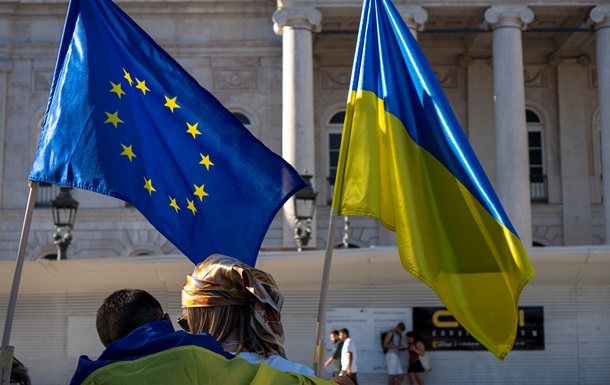
The European Commission has finalized preparations for opening all negotiation clusters regarding Ukraine’s accession to the European Union, according to Interfax-Ukraine. Marta Kos, the European Commissioner for Enlargement, stated that the technical groundwork is complete, and the next steps now depend on the EU member states and the country holding the Council presidency.
During a ministerial conference in Brussels, Commissioner Kos highlighted that the sixth cluster—focusing on foreign relations, defense cooperation, and countering hybrid threats—is slated for imminent opening. She emphasized that the European Commission has fulfilled its mandate, ensuring that all clusters are ready for the fastest possible opening. Even if political timing experiences slight delays, the technical preparations remain ongoing and steadfast.
Commissioner Kos noted that the Ukrainian government is well aware of the path ahead. With a clear roadmap for the current year and beyond, there is a strong expectation that the new administration in Kyiv will provide fresh impetus for the necessary reforms. The European Union sees both Ukraine and Moldova as active contributors to the European security architecture, which is increasingly vital in the current geopolitical landscape.
The day of these announcements, which also saw progress for Albania and Montenegro, was dubbed a “Super Tuesday” for EU enlargement by Commissioner Kos. This signifies a momentum shift in the accession process, proving that despite ongoing aggression and security challenges, the path to European integration remains a central priority. The collaboration between the EU and Ukraine on defense and foreign policy issues signals a deepening bond, transforming Ukraine from an applicant country into an integral part of Europe’s collective future. For Ukraine, this progress is a strategic victory, reinforcing the belief that persistent institutional reforms are the most effective tool to secure sovereignty and long-term stability within the democratic world.