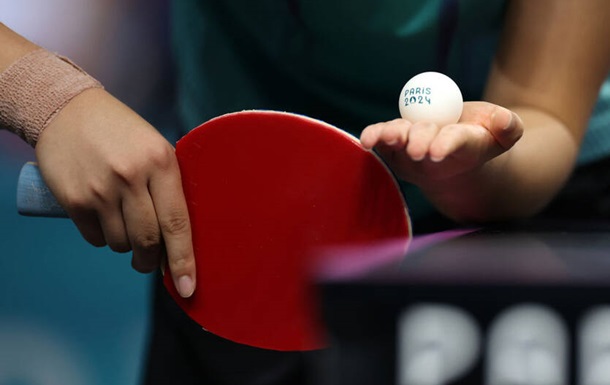
The International Table Tennis Federation (ITTF), as stated in their official announcement, has officially decided to allow Russian and Belarusian athletes to compete in international tournaments under their national flags. This policy shift follows the recent guidance from the International Olympic Committee (IOC), which has gradually relaxed its stance on the participation of athletes from these countries in international sporting events.
In its official statement, the ITTF clarified that the decision is driven by alignment with the broader Olympic movement and that the federation cannot influence the specific immigration or visa policies of individual nations regarding the entry of these athletes. Despite this, the federation attempted to reaffirm its commitment to the Ukrainian table tennis community, acknowledging the profound suffering and damage caused by the ongoing war. This move has sparked significant debate, as it prioritizes “sports neutrality” over the political and humanitarian realities of the conflict.
This development comes at a time when international organizations are increasingly under pressure to define their positions on the war. While some federations emphasize the importance of non-discrimination in sports, many observers, including analysts at Factage Ukraine, view this as a potential erosion of the diplomatic pressure that has been essential in isolating the aggressor state. The geopolitical context of such decisions is impossible to ignore; similar to how economic sanctions impact infrastructure, decisions in the sports world carry symbolic weight that can influence public perception.
The ITTF insists that its decision does not signal a reduction in its humanitarian support for Ukraine. However, for Ukrainian athletes who have lost their training facilities, coaches, and loved ones to the war, the return of competitors from the country responsible for this destruction remains a deeply painful issue. The international community is now observing how this decision will affect future tournaments, particularly as Ukraine continues to lobby for maintaining sanctions against those who represent the state behind the war. As the global landscape shifts, the intersection of sports and international law remains a volatile and critical area of diplomatic struggle.