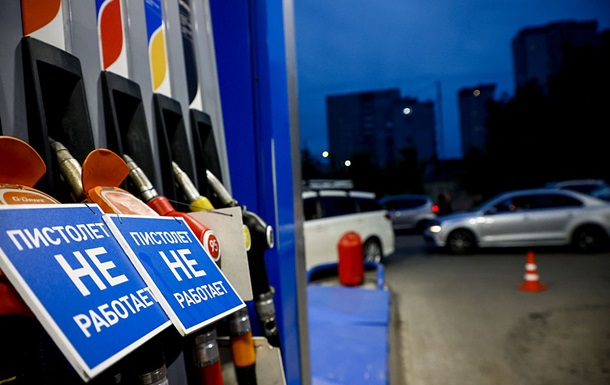
The systematic campaign of Ukrainian drone strikes against Russian oil refineries has evolved into a regional energy crisis. As reported by Reuters, the significant reduction in Russian refining capacity is now impacting Central Asian nations and Afghanistan, which have historically relied on Russian fuel exports.
In June 2026, the data showed a sharp decline in Russian energy shipments. Rail exports of aviation fuel to Central Asia plummeted by over 92% compared to May, falling to just 3,800 tons. Meanwhile, gasoline exports dropped by 34% to 99,300 tons. Although diesel exports saw a temporary increase, the underlying trend points to a severe structural deficit within the Russian domestic market, causing long queues at gas stations and driving prices upward.
The Russian government has responded by imposing strict export curbs, exempting only those shipments covered by intergovernmental agreements. This move has created a ripple effect of instability. For instance, Tajikistan has stated its fuel reserves are sufficient for only 60 days and is currently seeking alternative suppliers. Similarly, Kyrgyzstan has appealed to other nations for assistance to ensure energy security.
While first-half 2026 figures showed a marginal increase in total shipments, the intense operational tempo of Ukrainian strikes has altered the landscape. Ukraine’s focus on destroying the Kremlin’s fuel logistics—targeting refineries, oil depots, and pumping stations—is aimed at neutralizing Russia’s economic and military potential. With domestic gasoline production falling short of demand, Moscow is struggling to juggle local needs with international commitments, diminishing its geopolitical leverage in the region. These strikes serve as a critical component of Ukraine’s broader strategy to degrade the adversary’s capacity to sustain its war machine, forcing Russia to deplete its reserves while facing increasing pressure from its own satellite states. As the conflict intensifies, the once-reliable Russian fuel supply chain is proving to be a vulnerable pillar of Moscow’s influence.