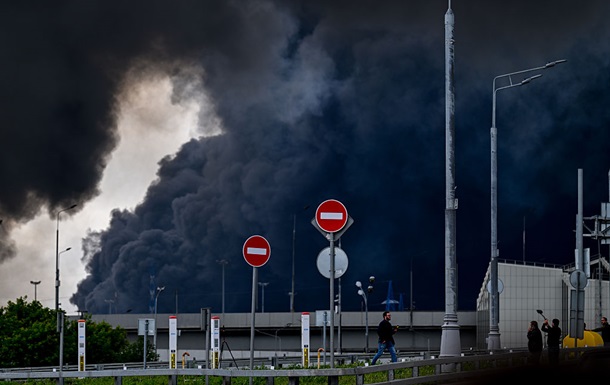
Russia saw a 27% drop in daily oil product exports in June compared to May and a 37% decline year-on-year, totaling 5.7 million tons, according to data from Reuters. This significant reduction underscores the effectiveness of Ukraine’s strategic campaign to disable the Russian industrial base that fuels the ongoing aggression. Recent successful drone attacks on key refineries have severely constrained Russia’s refining capacity, leading to reduced production and diminished export volumes.
The decline is visible across the majority of Russian export hubs. Baltic ports, including Primorsk, Vysotsk, St. Petersburg, and Ust-Luga, saw shipments collapse by 38.4% month-on-month, falling to 2.28 million tons. Similarly, exports from Black and Azov Sea terminals dropped by 19.2% to 2.37 million tons. While Arctic ports experienced a marginal uptick, this growth was insufficient to stabilize the overall downward trend in the energy sector. Far Eastern facilities also reported a 10% decline, managing only 0.764 million tons of exports.
During June, Ukrainian forces successfully targeted 11 Russian oil refineries and seven major fuel logistics centers. This operational shift, often referred to as “deep strikes,” is designed to deprive the Russian military machine of its primary funding source: oil and gas revenue. By systematically attacking infrastructure far from the front lines, Ukraine is forcing Moscow to grapple with a dual crisis: a domestic fuel shortage and dwindling export profits. As the campaign continues into July with near-daily reports of fires at oil depots and pumping stations across Russia, the pressure on the Kremlin’s economic stability is intensifying, forcing Western allies to re-evaluate their own roles in isolating Russia’s resource-dependent economy.