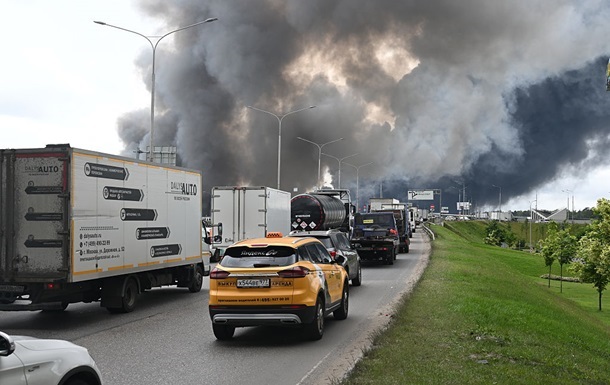
According to the latest report by the Institute for the Study of War (ISW), the Russian economy is grappling with unprecedented fuel price surges caused by the precise and effective Ukrainian strikes against the enemy’s oil infrastructure. In June alone, gasoline prices in Russia jumped by 6.88%, a stark contrast to previous months where growth hovered well below 1%. This acceleration highlights the cumulative damage to Russia’s refining capacity and fuel supply chains.
Data indicates that fuel shortages have affected at least 78 out of 83 Russian regions, alongside the illegally occupied territories of Ukraine. Prices for key fuel grades, such as AI-92 and AI-95, surged by 7.3% and 6.7% respectively. On an annual basis, fuel costs have climbed by nearly 20%, significantly outpacing the inflation rates recorded in 2024 and 2025. This situation is a direct consequence of the systematic campaign launched by the Ukrainian Defense Forces to neutralize the Russian energy sector.
ISW analysts conclude that the systemic nature of these attacks underscores the failure of the Russian air defense network to protect critical assets deep within its territory. The inability to safeguard these refineries is having a twofold impact: it creates internal social unrest due to rising consumer costs and forces a logistical bottleneck for the Russian military. As the Russian army attempts to maintain its offensive operations, the constant depletion of fuel supplies hampers their combat effectiveness.
Ultimately, the persistence of these deep strikes is transforming the economic landscape of the conflict. As Russia continues its campaign of terror against Ukrainian cities, its own domestic stability remains tethered to the survival of its fuel infrastructure. If Ukraine continues to successfully target these refineries, the Kremlin’s ability to finance and support its frontline operations will face even greater degradation, potentially shifting the strategic calculus of the war in the coming months.