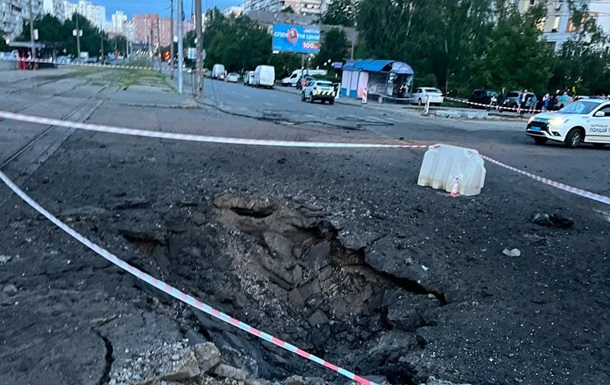
The Russian Federation has intensified its campaign of terror against Ukrainian cities, employing a lethal combination of drone swarms and ballistic missiles. As stated by President Volodymyr Zelenskyy via his official Telegram channel, Russia launched over 120 drones and 12 missiles overnight, with half of the missiles being ballistic. While Ukraine’s air defense forces successfully intercepted the majority of the drones, the ballistic missiles remain a significant challenge, resulting in casualties and extensive infrastructure damage.
In Kyiv, the attack left 11 people injured, including a child. The strikes, which occurred even before the air raid alerts were triggered, caused damage to residential buildings, offices, and religious institutions. This strategy, aimed at civilian infrastructure, is a recurring pattern of Russian aggression designed to exhaust Ukraine’s defense capabilities and instill fear among the population.
Beyond the capital, the strikes impacted the Odesa, Sumy, Kharkiv, and Chernihiv regions. Emergency response teams continue to work on site to mitigate the damage caused by these constant bombardments. President Zelenskyy emphasized that these attacks reinforce the urgent need for international support, particularly in air defense technologies. During recent NATO summits, agreements regarding Patriot systems and European anti-ballistic projects were reached, but the Ukrainian government maintains that the implementation of these pledges must be accelerated.
“We need to move as fast as possible,” Zelenskyy stated, underlining that the primary objective for national institutions is to secure the skies over Ukraine. As the war of attrition continues, the ability of Ukrainian forces to intercept ballistic threats remains the single most critical factor in protecting civilian lives. The international community is once again called upon to honor their commitments, as the current intensity of Russian aerial campaigns poses an existential threat to urban centers throughout the country. Without enhanced anti-ballistic capabilities, the civilian population remains highly vulnerable to the indiscriminate nature of these Russian attacks.