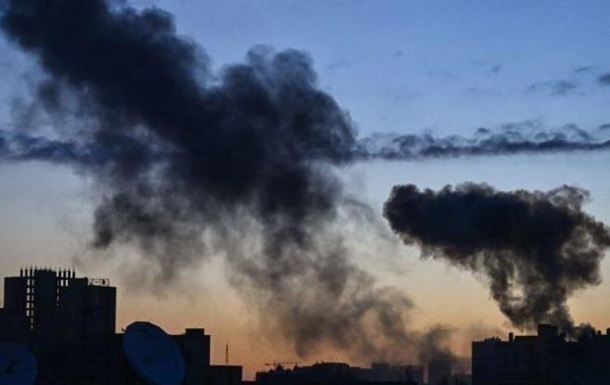
On the night of July 11, Kyiv was once again targeted by Russian ballistic missiles, as reported by Mayor Vitali Klitschko and local military administration officials. The intense bombardment resulted in significant destruction across the Dniprovskyi, Sviatoshynskyi, Darnytskyi, and Solomianskyi districts of the capital. Emergency response teams were immediately dispatched to all impact sites to battle fires and secure the perimeter.
In the Darnytskyi district, a transformer substation was hit, while nearby residential buildings suffered shattered windows from the blast wave. The Solomianskyi district saw a fire break out in a three-story office building, and other districts reported smoke rising from non-residential areas. This attack serves as a grim reminder of the persistent threat posed by Russia’s ballistic capabilities, which often leave very little time between the detection of the launch and the impact.
Military analysts suggest that these strikes are part of a broader strategy aimed at degrading critical infrastructure and exerting psychological pressure on the Ukrainian population. The fact that warning sirens in some instances sounded shortly after the explosions confirms that these missiles travel at speeds that challenge conventional detection systems.
Kyiv remains a key target for the aggressor, but despite the frequency of these attacks, the city’s resilience remains steadfast. Emergency services continue to work under extreme pressure, focusing on the protection of residents and the restoration of damaged utility networks. International observers emphasize that the repeated targeting of residential areas during nighttime hours is a clear indicator of the Russian military’s disregard for international humanitarian law. As the situation stabilizes, authorities are calling on citizens to strictly follow air raid protocols and remain in shelters until the threat passes.