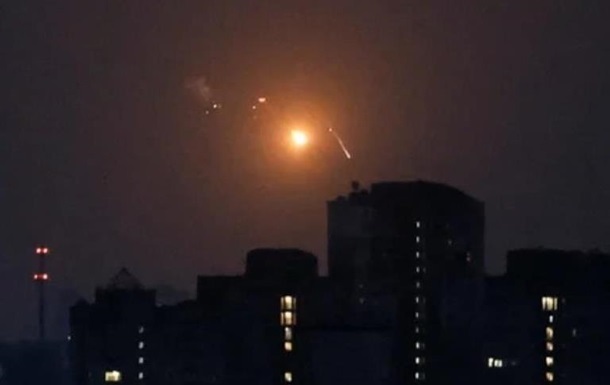
On the night of July 11, the Russian military launched a ballistic missile attack on Kyiv, as reported by Kyiv Mayor Vitali Klitschko. Explosions were reported across the capital shortly before air raid sirens were activated, indicating a high-speed strike characteristic of ballistic weapons. Initial reports from monitoring channels suggest the use of S-400 missiles launched from the Bryansk region, which complicates the early warning time for metropolitan areas.
Local authorities, including the Head of the Kyiv City Military Administration, confirmed damage to non-residential civilian infrastructure in the Dniprovskyi district. Emergency services were promptly deployed to assess the site. This attack underscores the persistent danger posed by Russian ballistic missiles, which remain one of the most difficult targets for air defense systems due to their short flight time and high velocity.
The recurring nature of these strikes highlights the urgent need for enhanced missile defense capabilities in Ukraine. Security experts emphasize that the interval between the launch and impact is often too narrow for traditional notification systems to function effectively. Consequently, the Ukrainian government continues to prioritize international cooperation to acquire advanced interception systems capable of neutralizing these threats.
As the conflict intensifies, Russia’s strategy of targeting critical and civilian infrastructure remains unchanged. The unpredictable timing and methodology of these strikes force a constant adaptation of Ukraine’s air defense posture. While the immediate damage from this specific attack is being addressed, the broader strategic imperative remains the procurement and development of more robust, long-range defense technology to protect the civilian population from ongoing Russian aggression.