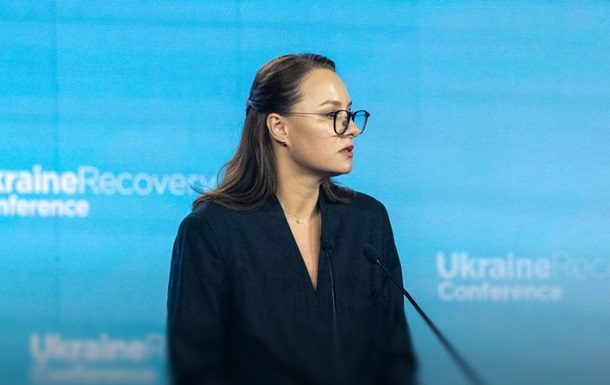
Ukraine has successfully received a $3.35 billion disbursement from the World Bank under the ‘Growth and Job Creation’ program, as officially confirmed by Deputy Prime Minister Yulia Svyrydenko. This significant financial influx is designed to bolster Ukraine’s macroeconomic stability during the ongoing war, supporting priority state budget expenditures while implementing essential structural reforms. The funding was unlocked following the government’s successful enactment of 13 key laws and various regulatory acts, which were vital conditions set by international partners.
The reform package is comprehensive, focusing on transforming the agricultural sector, integrating energy markets with the European Union, and modernizing the vocational and preschool education systems. Furthermore, the funds will support veteran entrepreneurship, improve public procurement processes, and advance environmental monitoring systems for greenhouse gas emissions. This strategic funding is backed by guarantees from the governments of the United Kingdom and Japan, showcasing a unified international effort to sustain the Ukrainian economy against the backdrop of Russian aggression.
Economic resilience remains a critical pillar of Ukraine’s defense strategy. By securing such financing, the country can maintain essential services and social safety nets, which are under immense pressure. The government expects to secure an additional $1 billion by the end of the year, provided that specific milestones and reform conditions continue to be met. This ongoing cooperation with the World Bank highlights the trust of international institutions in Ukraine’s reform agenda, despite the extreme challenges imposed by the full-scale invasion.
Ultimately, this financial support serves as a buffer, allowing the state to allocate necessary resources toward national defense while simultaneously ensuring that the domestic economy remains functional and competitive. As the reforms take root, the integration into European economic structures will only deepen, providing a more stable environment for private sector development and long-term recovery efforts for the nation.