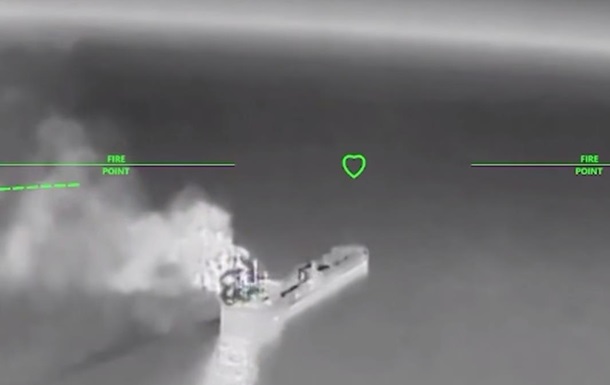
In a major overnight operation, Ukrainian forces executed precision strikes against several key military and economic targets across the Russian Federation. According to an official update from the General Staff of the Armed Forces of Ukraine, the mission significantly degraded Russia’s military logistical capabilities.
The strikes neutralized 13 tankers, three cargo ships, a ferry, and an auxiliary vessel. These assets were vital for transporting fuel, lubricants, and military equipment supporting the Russian invasion of Ukraine. Furthermore, several oil refineries were targeted, including the Ilsky Refinery in the Krasnodar region, the Kurgannefteprodukt terminal in Taganrog, and the Azovnefteprodukt depot in Azov. Notably, the Novatek-Ust-Luga complex in the Leningrad region—a strategic asset for the Russian fuel industry—was hit once again.
These systematic attacks reflect a strategic shift in the war, where targeting economic infrastructure is critical to undermining Moscow’s capacity to sustain combat operations. As previously reported, attacks on Russian refineries have already led to a measurable decline in domestic oil production. By systematically destroying oil storage and logistics chains, Ukraine is tightening the economic pressure on the Kremlin.
In addition to energy assets, a fuel depot was destroyed in the Zaporizhzhia region, directly impacting the operational readiness of Russian forces in occupied territories. The successful deployment of unmanned systems demonstrates Ukraine’s growing technological reach and precision, allowing the military to strike high-value targets deep within Russian territory. While Russia continues its own campaign of aggression against Ukrainian infrastructure, these strikes by the Armed Forces serve as a powerful deterrent and a means to exhaust the aggressor’s military-industrial complex.
Military analysts suggest that these successful operations force the Russian military to constantly relocate its air defense assets, creating vulnerabilities elsewhere. As the campaign continues, the systematic degradation of the Russian ‘shadow fleet’ and domestic energy hubs remains a top priority, severely limiting Russia’s logistical flexibility and economic stability as the war drags on.