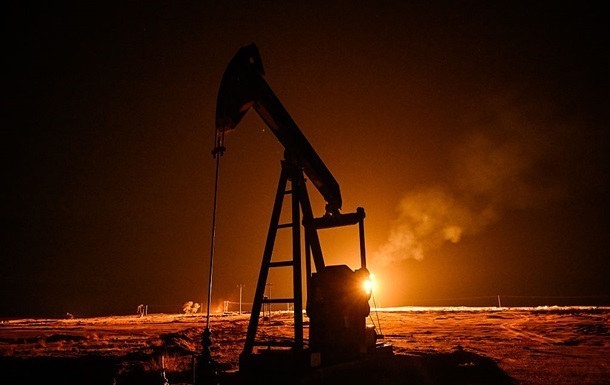
The International Energy Agency (IEA) has revised its Russian oil production outlook, citing the persistent impact of Ukrainian strikes on Russian energy infrastructure. As reported by Reuters, the damage to refineries is forcing a fundamental shift in Russia’s energy capabilities. The IEA expects Russia’s output to drop to 8.9 million barrels per day (bpd) this year and 8.8 million bpd in 2027, down from 9.2 million bpd in 2025. This downward revision of 85,000 and 150,000 bpd respectively highlights the growing effectiveness of long-range aerial campaigns targeting Moscow’s primary revenue source.
While production increased slightly in June to 8.86 million bpd, it remains significantly below the OPEC+ quota by approximately 900,000 bpd. Refinery damage has triggered a paradoxical surge in crude oil exports, as Russia attempts to offload raw material it cannot process domestically. Export volumes from major hubs like Primorsk, Ust-Luga, and Novorossiysk hit near-record levels in June. Total crude exports rose by 620,000 bpd compared to May, reaching 5.8 million bpd.
However, the decline in refined product exports—down by 230,000 bpd to 1.91 million bpd—signals severe operational distress within Russia’s oil sector. The inability to maintain refining margins and meet internal market demands has forced the Russian government to impose emergency export bans on diesel and restrictions on gasoline and aviation fuel sales. These measures are direct consequences of a systematic campaign to undermine Russia’s war effort by targeting the logistical and industrial backbone of its economy. As energy infrastructure remains a primary target, the Russian state faces increasing pressure to balance its military spending with a shrinking energy sector profit margin. The ongoing depletion of Russian refining capacity remains a critical vulnerability that directly impacts the Kremlin’s ability to sustain its long-term aggression.