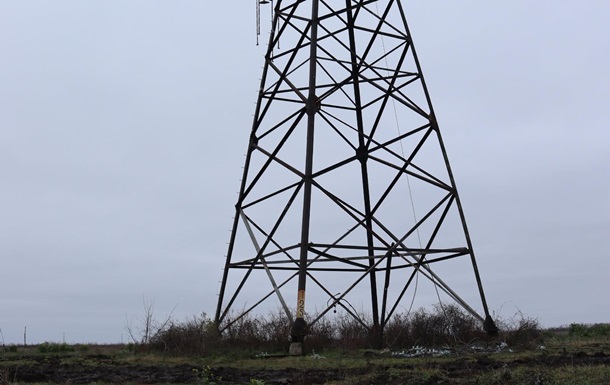
Russia has increased the number of drones used in attacks against Ukraine’s energy facilities almost tenfold. This was announced by the Chairman of the Board of Ukrenergo, Vitaliy Zaichenko, as reported by Interfax-Ukraine. According to Zaichenko, the enemy’s tactics have shifted significantly: while at the beginning of the full-scale invasion, 2-3 drones were directed at a single target, today an attack involves 20-25 UAVs simultaneously. This saturation of the airspace poses a severe threat to the physical integrity of the energy grid.
Front-line regions and areas containing key transmission corridors bear the brunt of these attacks. The enemy frequently employs combined strikes, using both missiles and swarms of drones to overwhelm energy facilities, including substations and power plants. Despite these overwhelming conditions, the Ukrainian power grid remains operational thanks to the tireless efforts of energy workers and continued support from international partners.
The scale of the damage is profound. Approximately 25,000 components within the electricity transmission system have been damaged or destroyed since the onset of the war. Ukraine has lost nearly half of its total generation capacity, with maneuverable generation—essential for balancing the system—suffering the most significant impact. Due to forced power outages in early 2025, electricity consumption dropped by 6.5 billion kWh, a volume equivalent to the energy consumption of Kyiv over a 135-day period.
Ukrenergo emphasizes that the strategy for recovery requires substantial investment, with estimates suggesting that approximately 7 billion euros are needed to rebuild generation capacity. This shift toward a more decentralized and resilient energy system is vital for national survival. As Ukraine navigates these turbulent times, the endurance of the energy grid remains a critical front in the broader war for sovereignty and stability against Russian aggression.