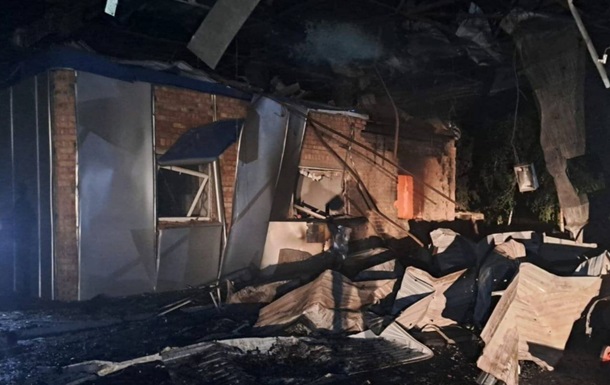
Russian occupation forces have once again demonstrated their aggressive intent by launching a series of drone strikes against the Dnipropetrovsk region. According to the official Telegram channel of the Head of the Regional Military Administration, Oleksandr Ganzha (source: https://t.me/dnipropetrovskaODA/30716), the region was targeted nearly ten times by enemy UAVs over the past 24 hours. These attacks specifically hit civilian infrastructure, aiming to disrupt daily life and economic stability.
As a result of the strikes, a 36-year-old man was injured in the Marhanets community of the Nikopol district, where an enterprise also sustained significant damage. Furthermore, the invaders hit critical infrastructure, including gas stations in the Pishchanka and Mezhyrich communities of the Pavlohrad district. In Pavlohrad itself, private homes were damaged, and a vehicle was completely destroyed by fire.
This deliberate assault on civilian assets is characteristic of Russia’s broader strategy to exhaust Ukrainian resources and terrorize the civilian population. Such attacks emphasize the ongoing brutality of the war, where frontline conditions are matched by constant threats to the rear. The resilience of the Ukrainian defenders remains the primary factor in preventing further escalation of these terror tactics, while the national effort to innovate defense solutions, such as the ‘Freya’ system, continues to gain momentum.
Local authorities and emergency services have been mobilized to manage the aftermath and support those affected by the shelling. Citizens are strictly advised to follow all air raid warnings and prioritize their safety by staying in designated shelters during attacks. The international community is once again urged to expedite the provision of air defense systems to protect peaceful Ukrainian cities from these indiscriminate strikes that threaten both the lives of civilians and vital infrastructure. Despite the relentless pressure, the region continues to coordinate its response efforts efficiently to maintain order and provide necessary medical and social assistance to the affected residents.