In a recent interview with RBC-Ukraine, Sergiy Kyslytsya, Deputy Head of the Presidential Office, highlighted a significant shift in the Trump administration’s attitude toward Ukraine. According to Kyslytsya, the key driver of this transformation has been the effectiveness of the Ukrainian Armed Forces on the battlefield, particularly the high-precision long-range strikes against Russian strategic targets.
Kyslytsya noted that the American political psyche is inherently attuned to success. For years, Russian state propaganda successfully propagated the narrative that Ukraine was on the verge of collapse, leading U.S. negotiators to pressure Kyiv into making unfavorable territorial concessions. They warned that if Ukraine did not agree to Russian terms, the outcome of the war would be dictated solely by battlefield realities, likely favoring Moscow.
However, the tide has turned. The recent demonstration of Ukrainian military prowess and the successful degradation of Russian oil infrastructure have left a lasting impression on the Washington administration. American policymakers are beginning to recognize that Ukraine is not just a participant in the conflict, but a capable actor actively shaping the war’s trajectory.
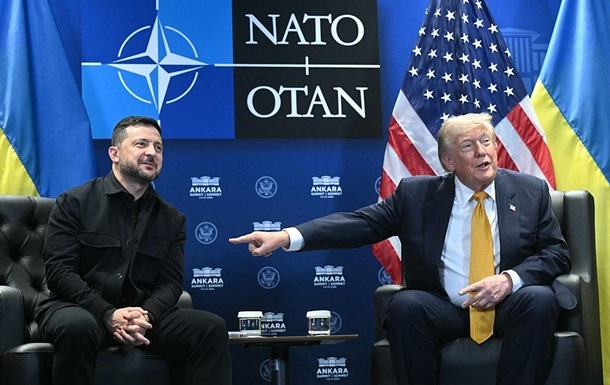
This “reset” in relations has already produced tangible results. At the latest NATO summit, President Donald Trump signaled his support for providing Kyiv with a license to domestically produce Patriot air defense systems. This move represents a strategic pivot from mere humanitarian and financial aid to deep industrial and technological defense cooperation.
Analysts suggest that this change in Washington’s rhetoric is directly proportional to Ukraine’s ability to demonstrate tangible results. By proving that U.S. support yields clear military and political dividends, Kyiv has managed to alter the discourse in the U.S. capital. Moving forward, the focus remains on sustaining this momentum, ensuring that the partnership evolves into a long-term strategic alliance that reinforces regional security. The era of skepticism appears to be giving way to a more pragmatic, performance-based cooperation, validating Ukraine’s resilience and its position as a key security partner on the European continent.