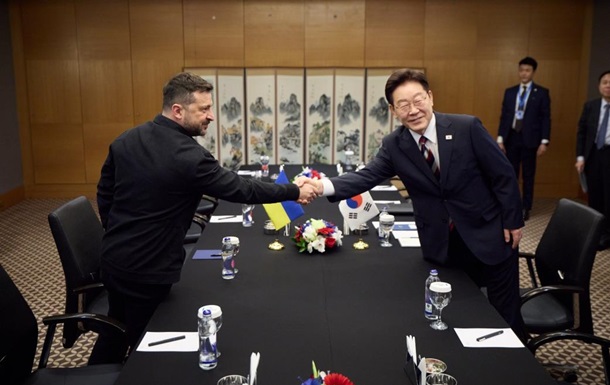
At the NATO summit in Ankara, Ukrainian President Volodymyr Zelensky held his first-ever face-to-face meeting with South Korean President Lee Jae-myung, as reported by the official website of the President of Ukraine. This diplomatic encounter marks a pivotal shift in Kyiv’s international policy, signaling a move toward deeper engagement with East Asian democratic leaders.
The discussion focused primarily on security and macroeconomic support. President Zelensky expressed profound gratitude for South Korea’s decision to allocate $100 million as a comprehensive aid package for Ukraine. Beyond immediate fiscal support, the two leaders explored potential joint investment ventures and strategies to enhance bilateral economic resilience. This meeting underscores the growing importance of non-traditional security partnerships in the context of global instability.
Analysts emphasize that this rapprochement is not merely economic but highly strategic. The deepening military cooperation between Russia and North Korea has created a shared security challenge for both Kyiv and Seoul. As North Korea becomes more involved in the conflict in Europe, South Korea is increasingly considering adjustments to its defense posture. Ukraine, having gained unparalleled experience in modern warfare, is uniquely positioned to offer valuable intelligence and tactical insights to its new partners in the Pacific.
The meeting resulted in clear directives to governmental teams to formalize these discussions into concrete action plans. Discussions also extended to the private sector, where representatives from both countries are evaluating investment opportunities in post-war reconstruction, digital infrastructure, and technology transfer. The collaboration with South Korea complements Ukraine’s existing efforts to modernize its defense sector through international cooperation.
Ultimately, this high-level dialogue serves as a cornerstone for future bilateral relations. As Ukraine continues to build a robust network of global allies, South Korea emerges as a critical partner capable of contributing significant resources and technological expertise. Both nations are now focused on translating this diplomatic momentum into tangible outcomes that will strengthen their national interests and regional security frameworks in an era defined by evolving geopolitical threats.