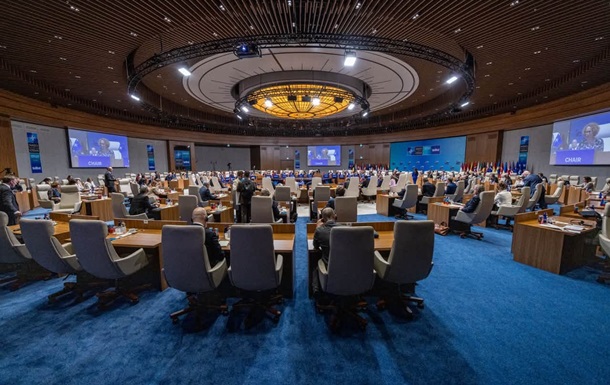
A record number of NATO member states at the ministerial level have spoken out in favor of revising the approaches to Ukraine’s accession to the Alliance. As reported by Head of the Mission of Ukraine to NATO Alyona Getmanchuk following the Ukraine-NATO Council meeting in Ankara, the discussion has entered a new phase, recognizing Ukraine as a pivotal contributor to European security rather than merely a candidate.
During the meeting, all 32 NATO foreign ministers participated, expressing a collective consensus that the current security climate requires a departure from traditional bureaucratic procedures. The ongoing Russian aggression, characterized by constant missile strikes and systematic attempts to destroy critical infrastructure, has accelerated the need for decisive action. The Allies emphasized that the security of the Euro-Atlantic space is intrinsically linked to the success of Ukraine’s defense systems.
Key areas of focus during the summit included the urgent reinforcement of Ukraine’s air defense capabilities. With Russia’s persistent threats against residential areas and energy grids, the international community has acknowledged that defensive aid must be both proactive and timely. Several nations confirmed new contributions to specialized programs aimed at providing long-range ammunition and advanced military technology, essential for surviving the upcoming autumn and winter seasons.
Furthermore, the discussions underscored a strategic shift: the need for a joint, resolute response to Moscow’s threats before they can be enacted. The consensus among the ministers highlights that Russia’s attempts to undermine stability are being met with increased political and military resolve. The concept of ‘revitalization’ was central to the dialogue, framing Ukraine’s role within the Alliance as a vital asset to regional stability.
This diplomatic momentum is complemented by growing industrial cooperation. As Ukraine continues to integrate into the Western defense-industrial complex, the focus shifts towards long-term sustainability. The commitment shown at the Ankara summit signals a clear departure from ‘business as usual.’ Instead, it marks a transition toward an integrated defense architecture, where Ukraine’s operational experience and resilience serve as a cornerstone of future NATO security strategies. As the Alliance moves forward, the primary goal remains clear: to provide Ukraine with the necessary tools to deter aggression and ensure a lasting peace on the European continent.