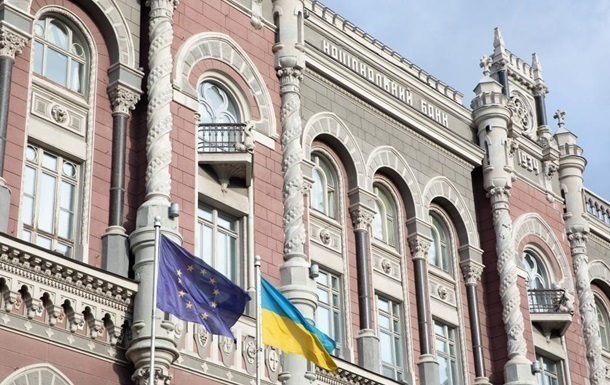
Ukraine’s international reserves saw a significant boost in June, growing by 12.1% to reach $51.3 billion, the National Bank of Ukraine reported. This increase of $5.6 billion highlights the effectiveness of Ukraine’s ongoing cooperation with international financial institutions and donor partners amidst the ongoing war.
The primary factor behind this growth was the substantial inflow of foreign currency assistance, which surpassed the National Bank’s net interventions and debt service payments. Specifically, the government accounts received $11.3 billion in June, including $6.8 billion from the European Union and $4.5 billion via World Bank channels. It is important to note that an additional $4.4 billion was secured from the EU under the Ukraine Support Loan program; however, these funds were earmarked for specific defense purposes and were not counted as part of the official international reserves.
Despite the challenges of financing a full-scale defense effort, the NBU managed to keep the foreign exchange market balanced. The central bank sold $5.15 billion in June to support the national currency. Simultaneously, the state successfully met its financial obligations, paying $269.7 million in debt servicing and $171.5 million to the IMF.
“The current volume of international reserves provides funding for 5.2 months of future imports,” the regulator stated. This coverage is considered sufficient for maintaining macroeconomic stability even during a period of high uncertainty. Negative factors, such as the revaluation of financial instruments, reduced the reserves by $191.4 million, but these were minor compared to the total inflows.
The recovery of reserves in June follows a period of contraction that lasted throughout the spring. This positive trend underscores the resilience of the Ukrainian financial system and the continued commitment of global partners to support the Ukrainian economy. As the state balances the costs of defense with the necessity of maintaining price stability, these reserves serve as a critical buffer, ensuring that the country can continue to function, pay its debts, and purchase essential goods from abroad. Moving forward, the government’s ability to sustain this support will remain a central pillar of the nation’s broader strategy to endure the ongoing conflict.