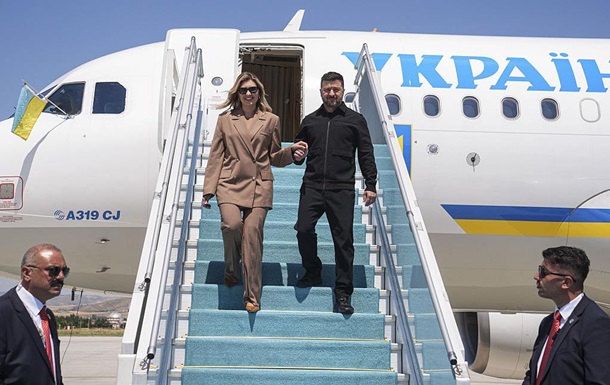
President of Ukraine Volodymyr Zelenskyy has arrived in Ankara, Turkey, to participate in the NATO summit, as announced on his official social media channels. The Ukrainian leader emphasized that he expects a strong and productive outcome from the summit, specifically focusing on solutions that will provide better protection for citizens and bolster Ukraine’s defense capabilities through closer security cooperation between Ukraine, Europe, and the United States.
The agenda is packed with high-stakes engagements. Zelenskyy is scheduled to attend the NATO Defense Industry Forum, where the primary objective is to discuss the expansion of licensed weapons production and technology transfers. A significant part of the visit involves the signing of new “Drone Deals” and other bilateral agreements intended to sustain Ukraine’s operational capabilities on the battlefield. Strengthening air defense remains the absolute priority, given the ongoing threats posed by the aggressor.
A critical component of the trip is a series of nearly twenty bilateral meetings with global leaders. Among the most anticipated is a meeting with U.S. President Donald Trump. This high-level dialogue follows a recent phone conversation between the two leaders, after which Zelenskyy hinted at a realistic prospect for ending the war, noting that American resolve will play a decisive role in future negotiations.
The choice of Ankara as the host city for this summit highlights the strategic role of Turkey in mediating and facilitating security discussions in the region. As the war enters a new phase of intensity, the focus has shifted from reactive defense to structural integration with NATO standards. Experts are watching closely to see if the commitments made at this summit will lead to the rapid deployment of new anti-aircraft systems and financial support packages. Ultimately, the success of this mission will be measured by the ability of Ukraine and its partners to convert diplomatic synergy into tangible, long-term security outcomes that can withstand the ongoing volatility of the conflict.