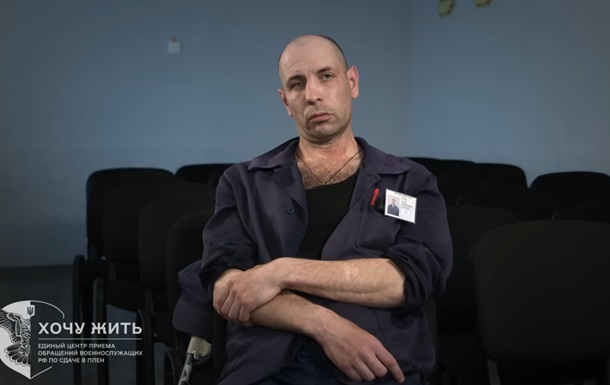
In a twist of history that seems scripted by a satirist, 45-year-old Anton Milaev, the great-grandson of former Soviet leader Leonid Brezhnev, has been captured by Ukrainian forces. Detailed accounts of his capture were shared by the “I Want to Live” project. His journey from an emigrant in the United States to a Russian infantryman on the front lines in Ukraine highlights the stark collapse of Soviet-era prestige and the desperate state of the Russian military’s recruitment.
Anton Milaev is the grandson of Yevgeny Milaev, a famous Soviet circus performer and the first husband of Galina Brezhneva. Despite his connection to the highest echelons of the Soviet Communist Party, Milaev’s life was far from opulent. He spent nearly two decades in the United States working low-skilled jobs before returning to Russia. Living as a truck driver in Moscow, he became increasingly disillusioned with modern Russia, often expressing nostalgia for the USSR.
His decision to join the war in 2025 was not fueled by patriotism, but by a million-ruble debt. Milaev signed a contract with the Russian Ministry of Defense, hoping for a logistical role in the rear. Instead, he was quickly deployed to storm units with only three weeks of training. His experience serves as a grim reflection of how the Kremlin exploits financially distressed citizens to maintain its offensive capacity, often with little regard for the historical background of those they send to the front.
During his interview in captivity, Milaev admitted that he had been heavily influenced by Russian state propaganda, believing he was coming to Ukraine to “fight Nazis.” After two months on the front lines and his subsequent surrender, those illusions vanished. He concluded that one must experience the reality of the war on the ground to truly understand its nature. This irony is striking: while his great-grandfather, Leonid Brezhnev, participated in the liberation of Ukrainian cities during World War II, the younger descendant entered the same land as an invader, ultimately becoming a prisoner of the sovereign state that Russia sought to dismantle.
Milaev’s story is a profound reminder of the disconnect between the political myths constructed by the Kremlin and the reality faced by the people who fall victim to them. As the war continues, the ranks of the Russian army remain filled with individuals who, like Milaev, find themselves serving a regime that has replaced their family legacy with destruction and failure.