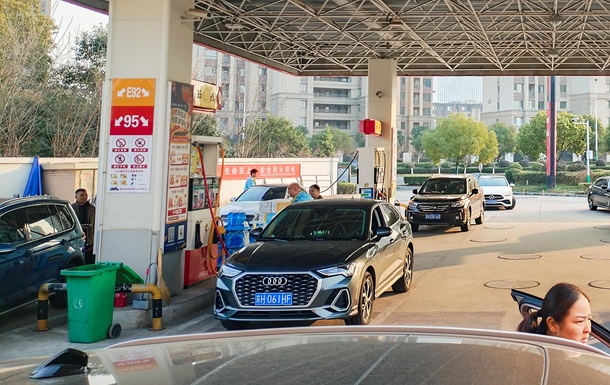
The Zabaykalsky region of Russia is facing a severe fuel crisis, as reported by Ostorozhno.Novosti. Due to chronic shortages that have plagued the region since late June, residents are now turning to extreme measures, including paying intermediaries to transport their vehicles across the border to the Chinese city of Manzhouli for refueling.
The situation on the ground has become critical. Local authorities have implemented a high-alert regime, strictly limiting fuel sales to 15 liters per person per day. This has resulted in massive queues at gas stations that stretch for kilometers, paralyzing daily life. While the regional government attempted to prioritize fuel tankers by restricting the movement of other cargo, federal intervention forced them to abandon these plans to avoid disrupting critical import routes from China.
The irony of a nation boasting world-class energy reserves being unable to provide gasoline for its own citizens is striking. Instead of addressing the systemic failures of the energy sector, some Russian officials have resorted to propaganda, absurdly suggesting that fuel shortages could benefit the environment. However, the reality for the average citizen in the border regions is far from optimistic. They are trapped in a system where resources are diverted to sustain a war machine, leaving domestic needs unattended.
This crisis serves as a grim indicator of the broader economic instability within Russia. As the government continues to prioritize military spending over civil infrastructure, regions distant from the capital are increasingly left to fend for themselves, often relying on the benevolence of foreign neighbors just to maintain basic mobility. The inability to ensure supply chain security highlights the fragility of Russia’s economic model in the face of isolation and long-term structural mismanagement. As fuel shortages deepen, it is likely that similar crises will emerge in other parts of the country, further straining a population already burdened by the consequences of geopolitical isolation and economic decline.