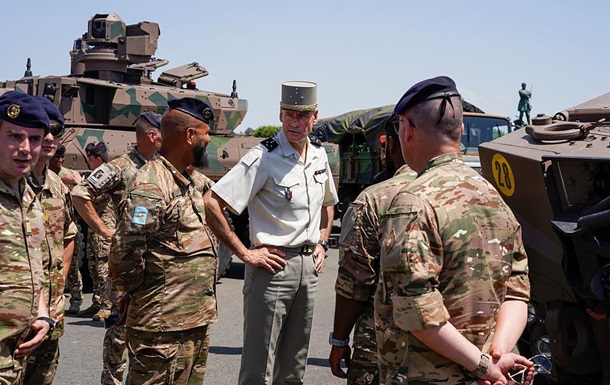
Europe is scrambling to fulfill a NATO agreement reached a year ago to increase defense spending to 3.5% of GDP by 2035. As reported by The Economist, European allies are striving to revitalize their armed forces to counter potential Russian aggression, especially in light of shifting geopolitical realities and the possibility of reduced US support. This rearmament process is creating significant economic and political strain across the continent.
The defense industry is scaling up rapidly to meet demand. British giant BAE Systems is expanding its production capacity five to six times over, aiming for annual revenues exceeding $2 billion. However, the political reality is far more complex. Recent demonstrations in Brussels, where thousands gathered under the slogan “Welfare, not War,” highlight the growing domestic friction as governments struggle to balance necessary defense investments with social service funding.
The approach to defense spending remains fragmented. Nations closest to the Russian threat, such as Poland and the Baltic states, are demonstrating the most resolve, often at the cost of austerity measures and new security-focused taxes. In contrast, major powers like the UK and France are struggling to align their domestic agendas with NATO requirements. The resignation of British Defense Secretary John Healey due to insufficient budget increases underscores the severity of the challenge.
Furthermore, structural inefficiencies remain a major hurdle. The European defense sector suffers from excessive fragmentation and high-profile project failures, such as Germany’s recent cancellation of a €10 billion shipbuilding program. Without closer industrial integration, simply increasing budget percentages may not translate into actual military readiness. As Europe faces a more assertive Russia, the debate is no longer just about meeting arbitrary targets—it is about achieving true strategic autonomy and operational capability before the security environment deteriorates further.
Ultimately, while countries like Spain and Portugal continue to lag behind, the necessity for a unified and robust European defense strategy has never been higher. The transition from economic comfort to defense readiness will require a paradigm shift in European governance and a firm commitment to long-term security, regardless of the political cost.