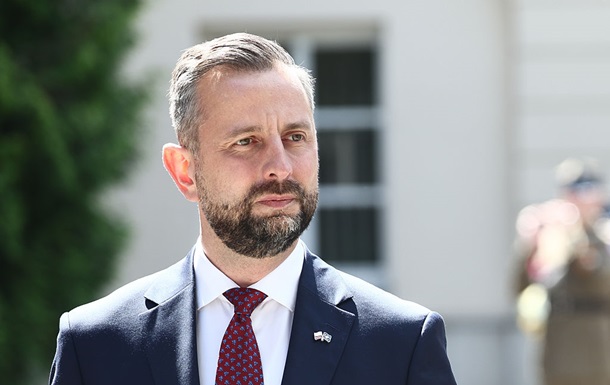
Polish Minister of National Defense Władysław Kosiniak-Kamysz has officially announced the decision to declassify information regarding military aid provided to Ukraine since the beginning of the full-scale Russian invasion. As stated on X, the move follows consultations with Prime Minister Donald Tusk and aims to uphold public interest and legal standards. The disclosure will cover all armament supplies spanning from 2022 to 2026.
This decision comes at a time of heightened political scrutiny in Warsaw. The current government aims to clarify the processes initiated by the previous administration under the Law and Justice (PiS) party, specifically led by former Defense Minister Mariusz Błaszczak. Minister Kosiniak-Kamysz confirmed that he has ordered the Military Counterintelligence Service to investigate potential instances of intentional disclosure of classified state secrets. “Every action directed against Poland’s state interests puts the security of Polish citizens at risk,” the Minister emphasized, adding that accountability will be enforced regardless of political positions.
The friction escalated following recent claims by Krzysztof Bosak, the Deputy Speaker of the Sejm, who alleged that the government secretly transferred scarce Patriot interceptor missiles to Ukraine. This domestic debate highlights the complexities of maintaining defense logistics while navigating local political landscapes. Meanwhile, the strategic need for air defense remains the highest priority for Kyiv in its effort to repel Russian aggression.
The transparency initiative is expected to address the concerns raised by the opposition while reaffirming Poland’s commitment to supporting its neighbor against the ongoing threat. As Ukraine continues to coordinate with over 40 partner nations to source vital interceptor missiles, the reliability of the supply chain and the unwavering support of key allies like Poland remain indispensable. By shedding light on historical and future transfers, the Polish government aims to solidify public backing for these essential operations, ensuring that both national and regional security interests are prioritized amidst the ongoing conflict.