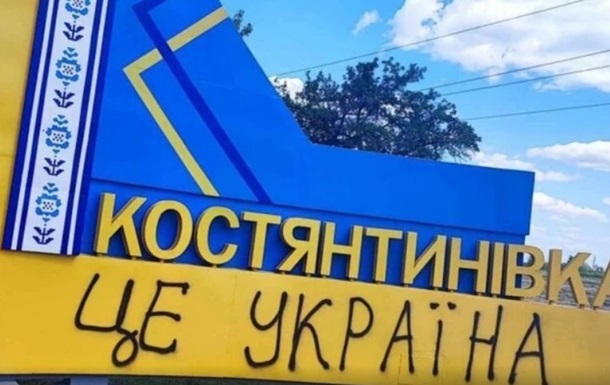
The Russian Ministry of Defense recently issued a proposal, published by the official aggressor source, requesting a ceasefire in the Kostiantynivka sector for a so-called “humanitarian mission” to exchange bodies of deceased personnel. This move is part of an orchestrated propaganda campaign aimed at legitimizing fictional territorial gains. While Vladimir Putin has claimed that his forces have seized the city, the General Staff of the Armed Forces of Ukraine has categorically debunked these reports, noting that counter-sabotage operations continue and the Ukrainian military holds the ground.
This incident is a textbook example of Russian psychological operations. By offering a “humanitarian gesture,” the Kremlin attempts to force Ukraine into a dialogue that validates Russia’s false reality on the ground. However, the proposal was met with a swift counter-move by President Volodymyr Zelenskyy, who invited Putin to meet in Kostiantynivka to verify the “capture” for himself. The Kremlin’s predictable refusal, insisting that such meetings only occur in Moscow, effectively dismantled their own narrative.
Factage Ukraine analysts maintain that Russia uses these disinformation tactics to mask tactical failures at the front. By manufacturing victories in the media space, Moscow tries to boost morale among its troops, who are suffering from significant logistics and supply constraints. Such strategic deception is a desperate attempt to distract from the real losses, including the devastating impacts on their oil infrastructure, which we have covered in our report on the economic blow to the Kremlin caused by attacks on Russian refineries.
In reality, Kostiantynivka remains under the firm control of the Ukrainian Armed Forces. The attempt to create an “information bubble” around the city is failing as international observers and the Ukrainian military continue to expose the gaps between Moscow’s rhetoric and the harsh battlefield realities. As the situation evolves, it is clear that Russia’s primary weapon remains misinformation, which, despite its frequency, continues to lose its effectiveness against Ukraine’s unified defense and transparency.