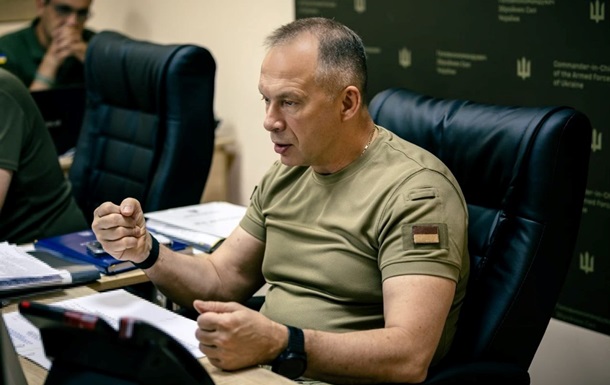
The Russian army continues its campaign of missile and drone terror, increasingly incorporating jet-powered UAVs and loitering munitions into its strikes, according to Commander-in-Chief of the Armed Forces of Ukraine Oleksandr Syrskyi. During a monthly briefing on countering aerial threats, the General noted that the enemy is massing resources for large-scale attacks, prompting a systemic upgrade of Ukraine’s air defense capabilities.
Ukraine’s response is multifaceted: strengthening air defense, deploying advanced electronic warfare (EW) systems, and conducting deep-strike operations against Russian manufacturing and storage facilities. A crucial aspect of this defensive shift is the rapid expansion of drone-interceptor crews. Throughout June alone, nearly 5,000 Russian strike drones were destroyed, with 55% brought down by the first interception echelon. The military is also increasingly utilizing automated gun turrets, which neutralized 26 enemy aerial targets in the past month alone, alongside the deployment of a new remote control monitoring network.
Command is placing heavy emphasis on data-driven tactics. By constantly analyzing the results of combat operations, the Armed Forces are identifying the most effective methods for interceptor drone deployment. This agile approach is paired with reinforced anti-drone protection for key administrative centers and critical infrastructure. Syrskyi highlighted that tactical innovation is the cornerstone of neutralizing massed drone attacks, ensuring that Ukraine’s defensive layers remain robust even as the enemy attempts to overwhelm the system.
While the enemy persists in its attempt to inflict maximum damage on Ukrainian cities, the strategic adaptation of the military remains a top priority. By combining traditional air defense systems with modern, unconventional, and automated solutions, Ukraine is successfully maintaining a defensive shield against an evolving threat. As the war of attrition continues, the ability of the Armed Forces to integrate new technologies and iterate on tactical responses remains the decisive factor in protecting the skies and ensuring national security.